
Introduction
The rapid adoption of biometric technologies across industries has made selecting the right face recognition system manufacturer a critical decision for businesses. Whether you are sourcing solutions for access control, smart cities, or workforce management, the quality of the manufacturer directly impacts system performance, scalability, and long-term reliability.
For B2B buyers, the challenge is not just identifying a supplier—but partnering with a manufacturer that understands hardware integration, AI optimization, and large-scale production.
This guide provides an in-depth look into how face recognition systems are manufactured, what differentiates top-tier suppliers, and how to make informed procurement decisions.
What Does a Face Recognition System Manufacturer Do?
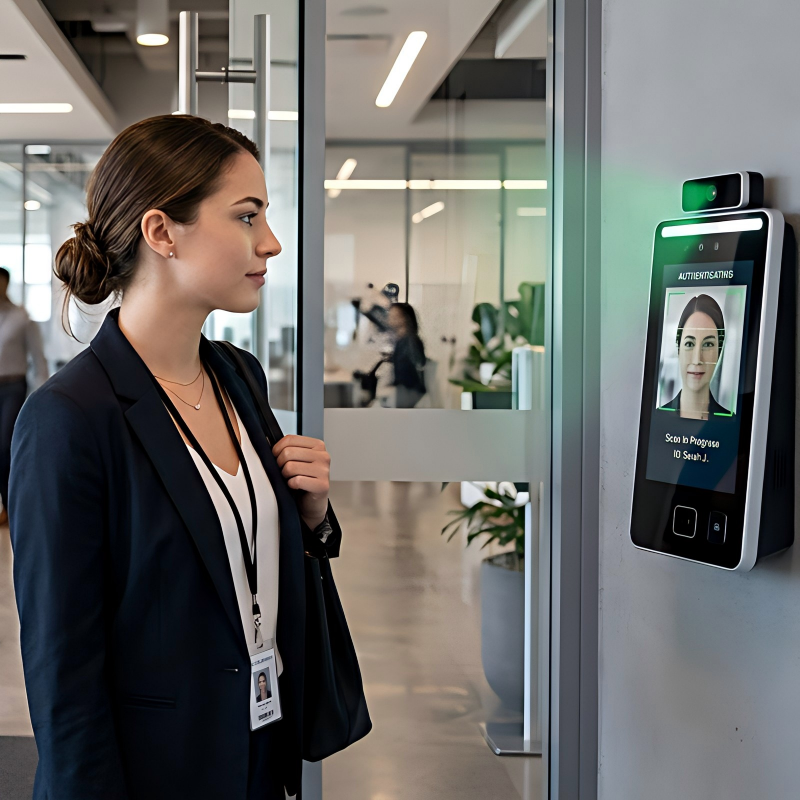
A face recognition system manufacturer is responsible for designing, producing, and assembling biometric devices that identify individuals using facial features.
These systems typically include:
- Facial recognition terminals
- Backend management software
- Cloud or on-premise data systems
- Integrated access control hardware
Key Product Categories
1. Access Control Devices
- Facial recognition door terminals
- Smart entry systems
2. Time Attendance Systems
- Employee check-in/out devices
- Payroll integration systems
3. Surveillance and Security Systems
- AI-powered cameras
- Real-time identification systems
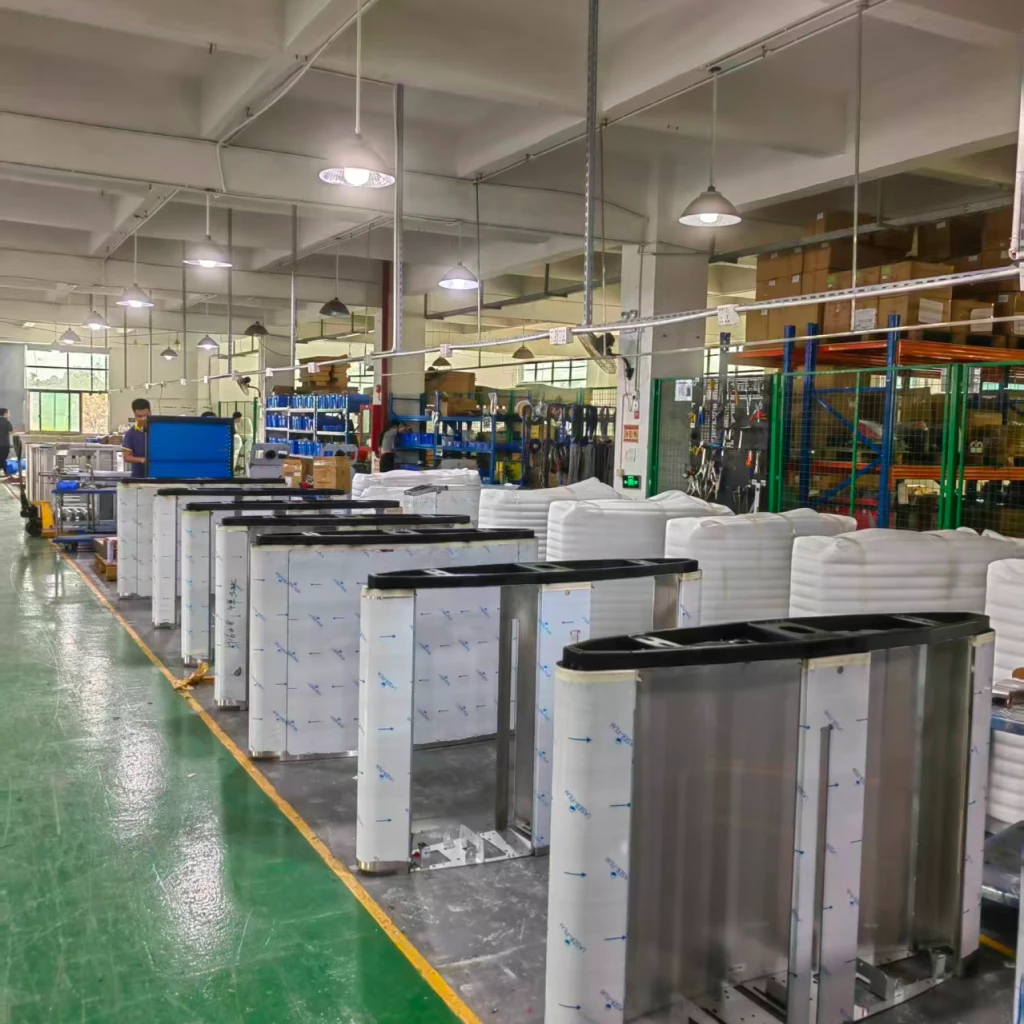
Inside the Manufacturing Process
Understanding the manufacturing workflow helps B2B buyers evaluate quality and supplier capability.
1. Product Design and R&D
The process begins with:
- Hardware architecture design
- AI model selection and training
- Industrial design for durability and usability
Key Insight:
Top manufacturers invest heavily in R&D to optimize facial recognition algorithms for speed, accuracy, and environmental adaptability.
2. Component Sourcing and Supply Chain Management
A reliable face recognition system manufacturer sources high-quality components such as:
- Image sensors (Sony, OmniVision)
- AI chipsets (Rockchip, Qualcomm)
- Memory and storage modules
Best Practices:
- Multi-vendor sourcing strategies
- Strict supplier qualification processes
- Compliance with international standards (RoHS, CE, FCC)
3. PCB Assembly and SMT Production
Printed Circuit Boards (PCBs) are assembled using:
- Automated SMT (Surface Mount Technology) lines
- Reflow soldering ovens
- AOI (Automated Optical Inspection)
This stage ensures electrical stability and performance consistency.
4. Module Integration and Calibration
Manufacturers integrate:
- Camera modules
- Infrared sensors
- AI processing units
Calibration is critical for:
- Accurate facial detection
- Low-light performance
- Depth sensing (for anti-spoofing)
5. Enclosure Manufacturing
Device enclosures are produced using:
- Injection molding for plastic housings
- CNC machining for metal frames
Additional processes include:
- Surface coating
- Waterproofing (IP-rated designs)
- Structural durability testing
6. Software Integration and AI Deployment
Manufacturers embed:
- Facial recognition algorithms
- Liveness detection systems
- Edge AI processing capabilities
Advanced Capability:
On-device AI reduces latency and enhances data privacy—key requirements for enterprise deployments.
7. Testing and Quality Assurance
A professional face recognition system manufacturer conducts:
- Aging tests (48–72 hours continuous operation)
- Environmental testing (temperature, humidity)
- Recognition accuracy testing
- Security and penetration testing
Key Capabilities to Look for in a Manufacturer
Manufacturers must provide complete solutions including access control systems: (access-control-solution-provider)
1. AI and Algorithm Expertise
- High recognition accuracy (>99%)
- Fast processing (<0.5 seconds)
- Advanced liveness detection
2. Customization (OEM/ODM Services)
OEM/ODM capabilities are also essential for customization
OEM Manufacturing
- Fully customized hardware and software
- Suitable for unique enterprise requirements
ODM Manufacturing
- Pre-designed products with branding options
- Faster deployment and lower development cost
3. Production Capacity and Scalability
- High-volume production capability
- Consistent lead times
- Supply chain resilience
4. Integration and Compatibility
- API/SDK availability
- Compatibility with third-party systems
- Support for protocols like Wiegand and OSDP
5. Certifications and Compliance
Ensure the manufacturer has:
- ISO 9001 certification
- CE / FCC approvals
- NDAA compliance (for U.S. markets)
Emerging Trends in Face Recognition Manufacturing
Edge AI Processing
Devices are increasingly capable of processing data locally, reducing reliance on cloud infrastructure.
Enhanced Anti-Spoofing Technologies
- 3D depth sensing
- Infrared detection
- Behavioral biometrics
Integration with IoT Ecosystems
Face recognition systems are becoming part of broader smart building and IoT networks.
How to Evaluate a Face Recognition System Manufacturer
1. Factory Audit
- Visit production facilities (or request virtual tours)
- Evaluate SMT lines and assembly processes
2. Sample Testing
- Test recognition accuracy
- Evaluate build quality and UI/UX
3. Documentation Review
- Technical datasheets
- Compliance certificates
- Test reports
4. After-Sales Support
- Firmware updates
- Technical support
- Spare parts availability
For global benchmarking and technical evaluation of facial recognition systems, refer to:
https://www.nist.gov/programs-projects/face-recognition-vendor-test-frvt
What does a face recognition system manufacturer do?
A face recognition system manufacturer designs, develops, and produces biometric devices that identify individuals using facial recognition technology.
How do I choose the right manufacturer?
Evaluate factors such as certifications, R&D capabilities, production capacity, quality control processes, and after-sales support.
What is the difference between OEM and ODM?
OEM involves custom product development based on your specifications, while ODM offers pre-designed products with branding customization.
Can face recognition systems be customized?
Yes, most manufacturers offer customization options including hardware design, software features, and branding.
Choosing the right face recognition system manufacturer is a strategic decision that goes far beyond pricing and specifications. It requires a deep understanding of manufacturing processes, component quality, and supplier capabilities.
For B2B buyers, partnering with a reliable manufacturer ensures not only product performance but also long-term scalability and support. By focusing on R&D strength, production standards, and integration capabilities, businesses can deploy solutions that meet evolving security and operational needs.