


We supply a full range of high‑quality access control products for commercial and industrial projects.。
NAT-G218
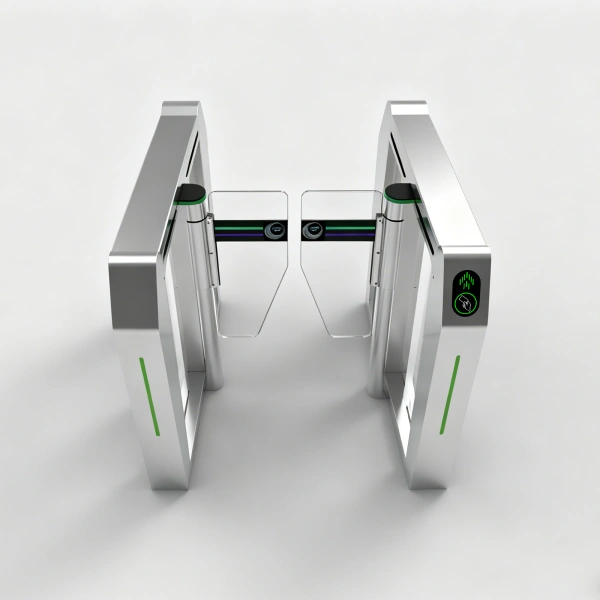
Ultra-Slim Speed Gate
A slim cabinet speed gate with infrared detection and anti-pinch protection for building entrances where installation space is limited.
NAT-G358
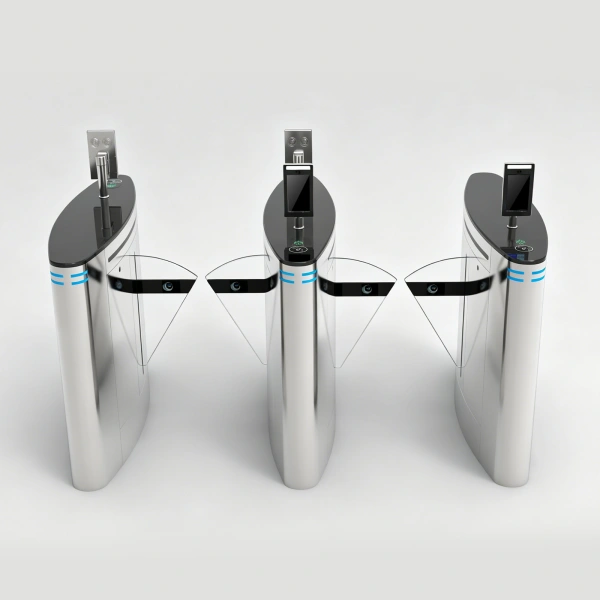
Flap Barrier Turnstile
An elliptical stainless steel flap barrier with dual anti-pinch protection for controlled pedestrian entry in office and commercial building lobbies.
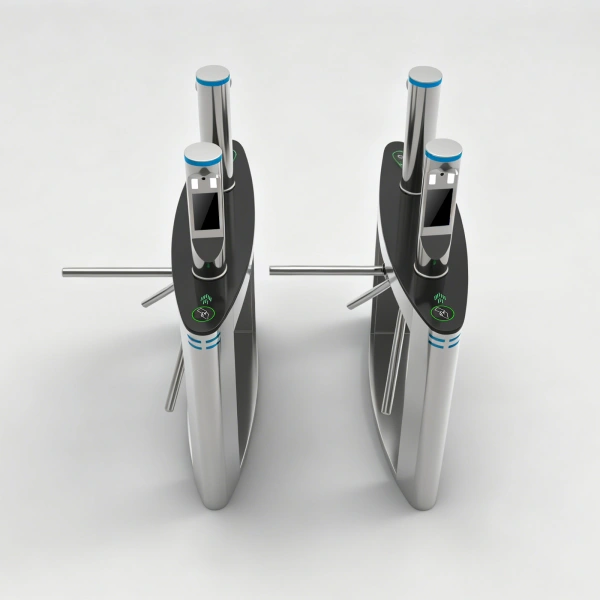
NAT-G158
Tripod Turnstile Gate
A three-arm stainless steel turnstile with an elliptical housing and automatic anti-collision reset for controlled, one-person-at-a-time pedestrian passage.
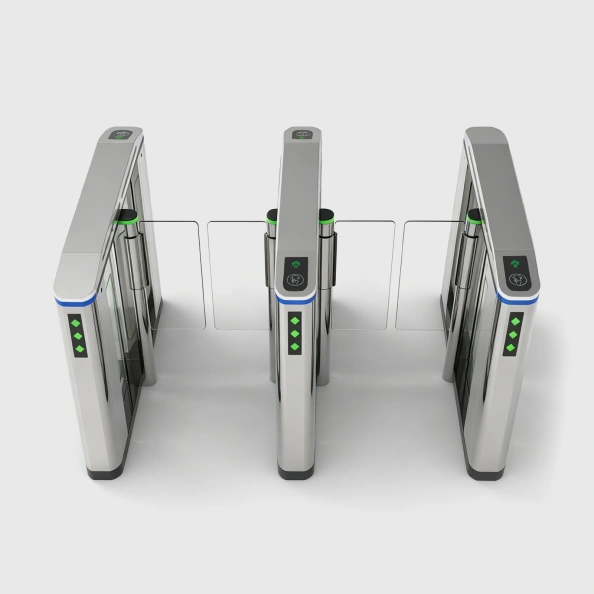
NAT-G236
Automatic Speed Gate
A brushless-motor speed gate with anti-collision reset and access system integration for busy office, factory and commercial building entrances.
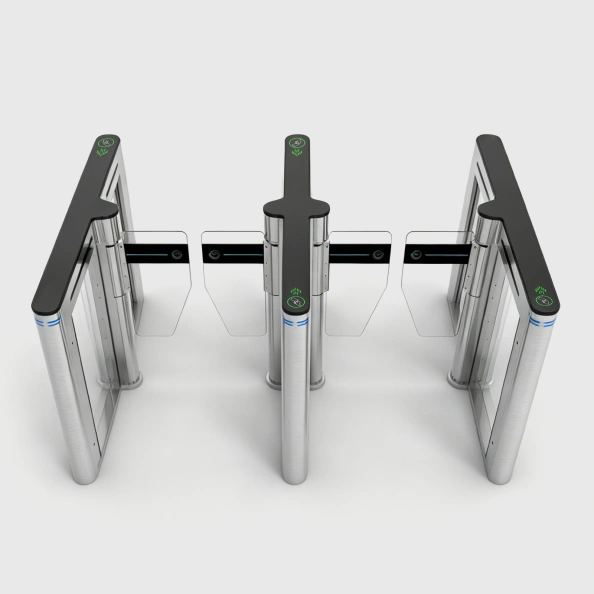
NAT-G258
Slim Speed Gate
A narrow cabinet speed gate with a brushless drive and anti-collision reset for entrance projects with limited installation space.
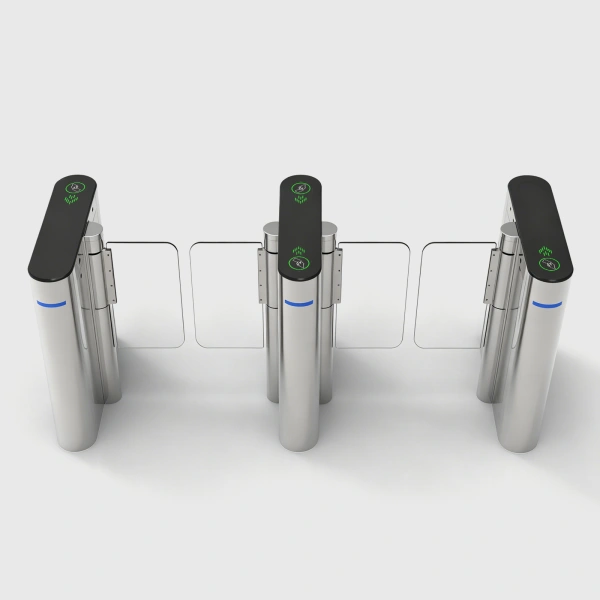
NAT-G205
Rounded Speed Gate
A rounded-corner speed gate with anti-pinch protection, low-noise movement and LED indicators to guide pedestrians through building entrances.
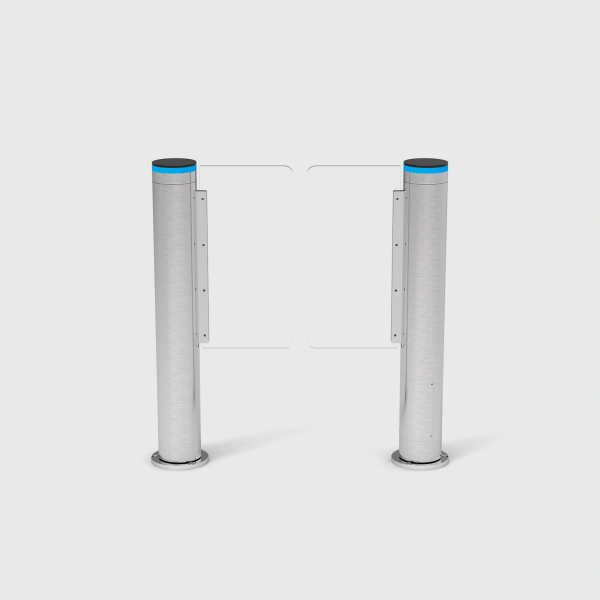
NAT-G203
Cylindrical Speed Gate
A cylindrical-post speed gate with infrared detection and mechanical anti-pinch protection for controlled pedestrian entry in commercial buildings.
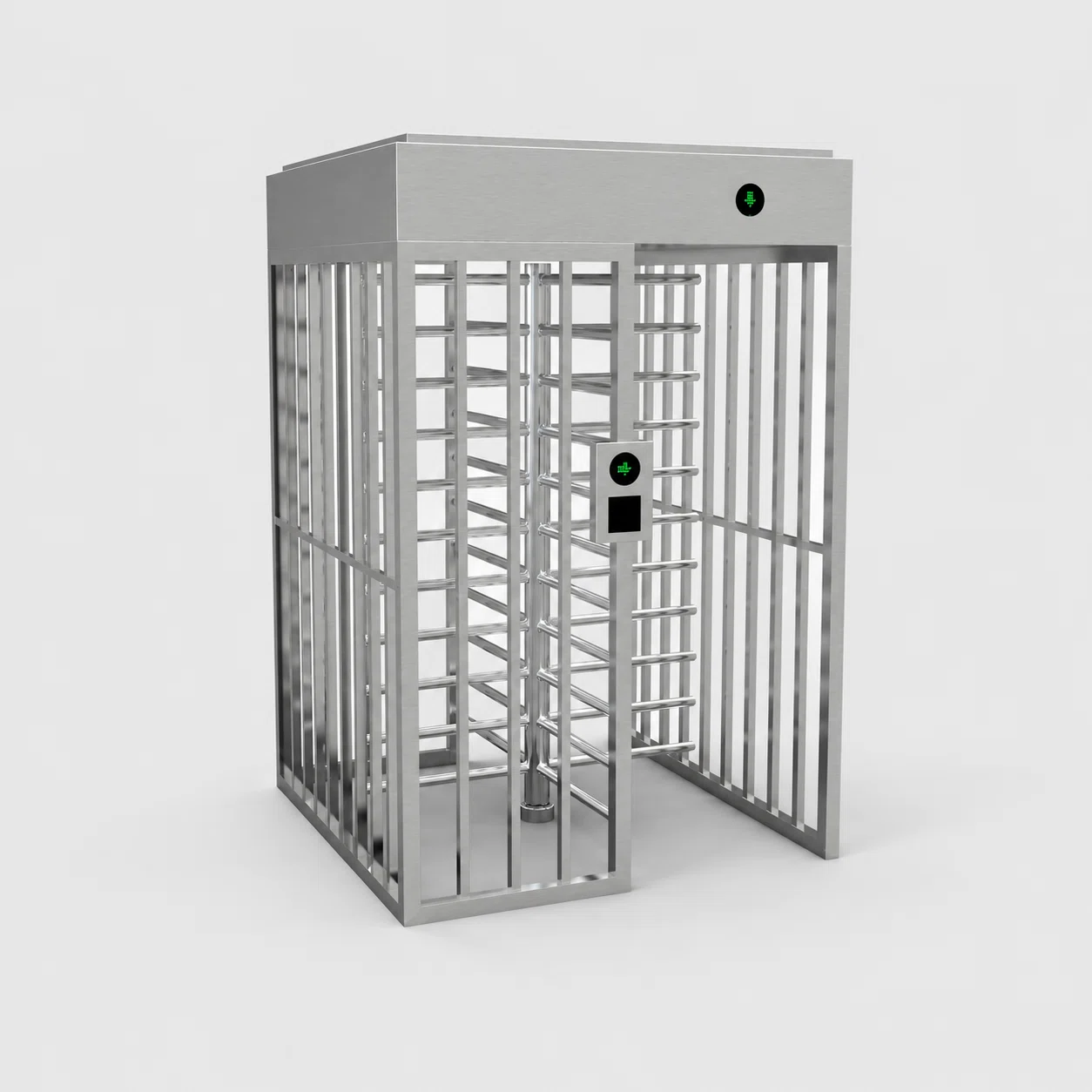
NAT-G501
Square Full Height Turnstile
Full height turnstile with a rectangular steel enclosure and rotating arms for controlled pedestrian entry at factories, construction sites and restricted entrances.
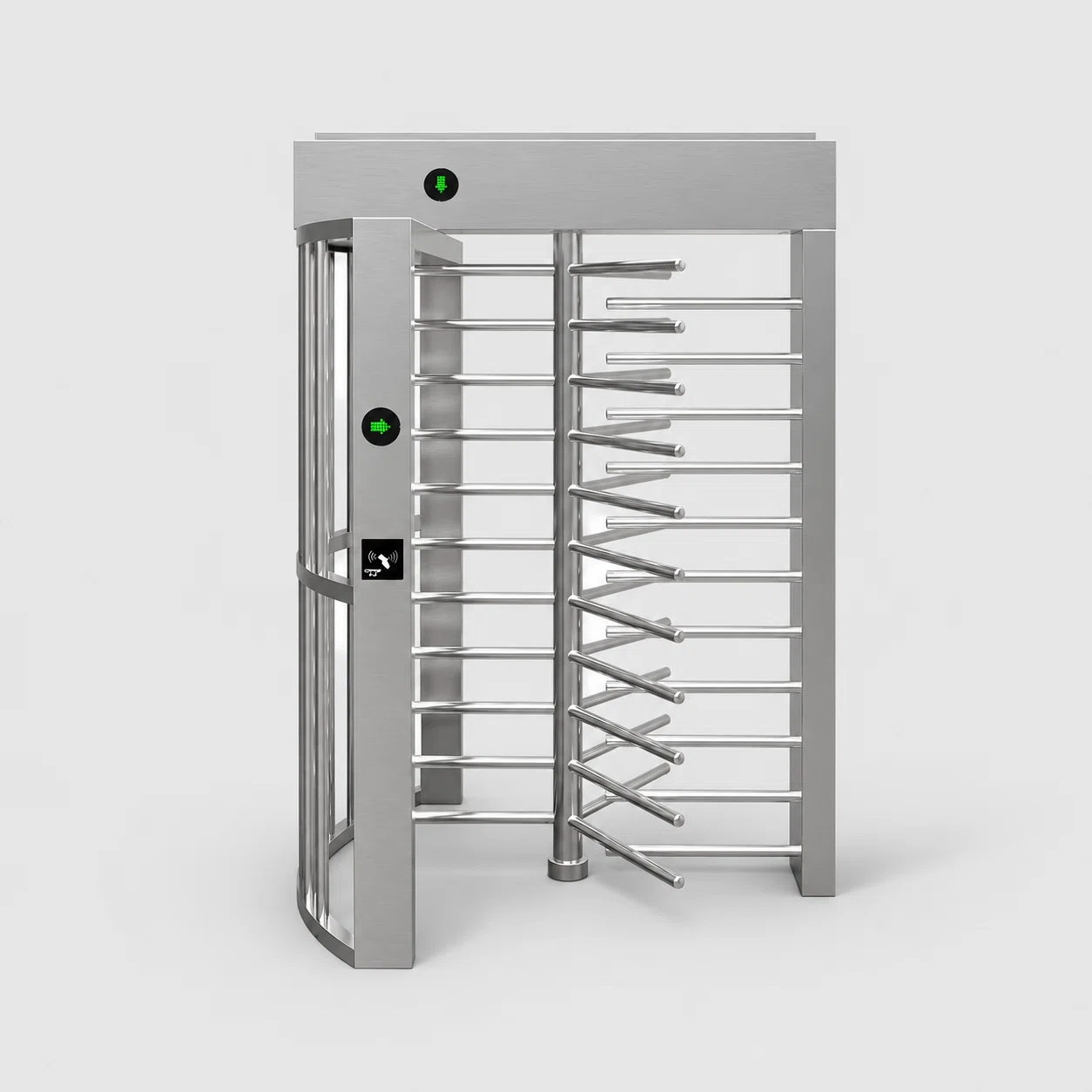
NAT-G502
Full height turnstile with a curved guard and rotating arms for controlled pedestrian entry at industrial facilities, staff access points and restricted entrances.
Types of Turnstile
The turnstiles produced by our company mainly include the following types
Swing Turnstile
A swing turnstile is a type of turnstile gate that utilizes swinging or rotating horizontal barriers to control access. These gates are designed to allow or restrict the passage of individuals through a secure entry point. They are commonly used in situations where a higher level of security is needed compared to simpler turnstiles.
Speed Gate Turnstile
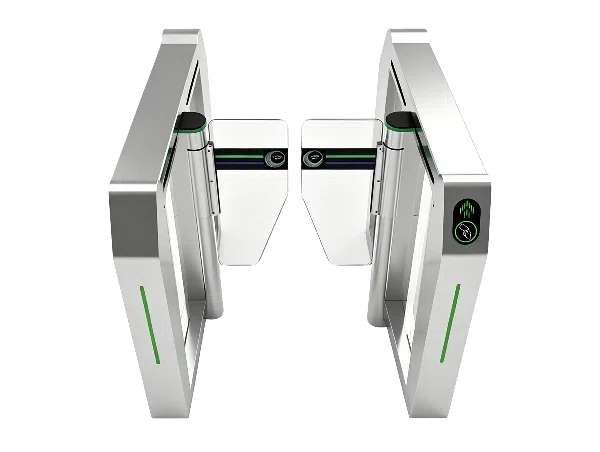
A speed gate turnstile is a sophisticated access control system that combines the security of a traditional turnstile with modern, high-speed technology for efficient and convenient pedestrian flow.
Flap Turnstile Gate
A flap barrier turnstile is a type of turnstile gate that uses horizontal flaps to restrict or allow pedestrian passage. These flaps, often made of acrylic or glass, move by retracting or swinging open to allow authorized users to pass through after presenting a valid entry credential.
Tripod Turnstile
A tripod turnstile is a type of turnstile gate that uses three rotating arms to control access, allowing one person at a time to pass through. These turnstiles are commonly used in various locations like bus terminals, metro stations, and stadiums to manage pedestrian traffic.
Full Height Turnstile
A full height turnstile is a security system that uses a sturdy, tall structure to restrict pedestrian access, typically around 8 feet high. Unlike waist-high turnstiles, full height turnstiles prevent people from crawling under or jumping over, offering enhanced security.
Key Advantages of Newautot Turnstile Gates
◆
▸ Efficient Pedestrian Flow
Improve entrance efficiency and reduce congestion with reliable pedestrian access control solutions designed for high-traffic environments.
▸ Multiple Authentication
Integrate facial recognition, RFID cards, QR codes, and other access credentials according to project requirements and supported device configurations.
▸ Enhanced Access
Help prevent unauthorized entry and support controlled pedestrian movement through integration with access control systems.
▸ Durable and Reliable
Choose from different turnstile structures, materials, and configurations to meet the operational requirements of commercial and industrial environments.
▸ Flexible System
Connect turnstile gates with facial recognition terminals, access controllers, attendance platforms, and third-party security systems through supported interfaces and communication protocols.
▸ OEM/ODM Customization
Customize hardware configurations, product appearance, branding, and integration requirements to support different projects and market needs.
Newautot provides turnstile hardware and integrated access control solutions for system integrators, security distributors, engineering contractors, and commercial projects worldwide.
Applications of Turnstile
◆

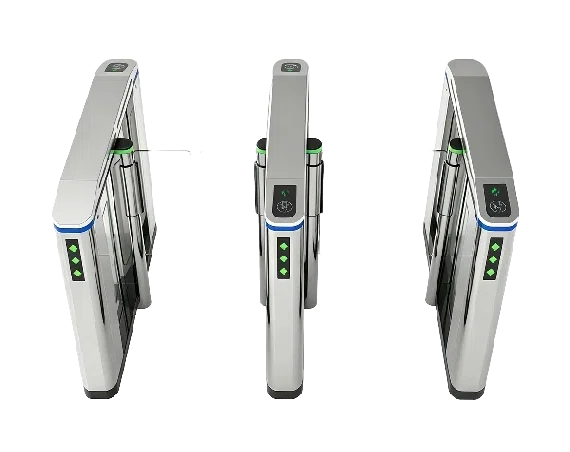
Public transportation
Turnstiles are widely used in train stations, subway systems, bus terminals, and airports to control the flow of passengers. They ensure that only valid ticket holders can enter or exit the transportation area, preventing fare evasion and maintaining security.
Stadiums and arenas
Turnstiles are employed in sports stadiums, concert venues, and other large event spaces to manage the entry and exit of attendees. They help maintain crowd control, verify tickets or passes, and ensure a smooth flow of people during busy events.
Queue management
(Amusement parks)
Turnstiles are used at the entrances of amusement parks to control the entry of visitors. They help regulate the number of people entering the park, verify tickets, and prevent unauthorized access.
Office buildings
Turnstiles are often installed in the lobbies or entrances of office buildings to control access and enhance security. They ensure that only employees or authorized personnel with valid access cards can enter the premises.
Educational Institutions
Turnstiles can be found in schools, colleges, and universities to manage the entry and exit of students and staff. They help enforce security protocols and ensure that only authorized individuals can access the campus.
Government buildings
Turnstiles are utilized in government buildings, courthouses, and other secure facilities to control access and prevent unauthorized entry. They enhance security measures and provide a means to monitor the flow of individuals in and out of the premises.
Hospitals and healthcare facilities
Turnstiles can be used in hospitals and healthcare facilities to control access to restricted areas, such as emergency rooms or specialized units. They help maintain privacy, prevent unauthorized entry, and manage visitor traffic.
Industrial sites and construction sites
Turnstiles can be implemented in industrial facilities, factories, and construction sites to regulate entry and exit. They help enforce safety protocols, control access for workers and authorized personnel, and enhance security in potentially hazardous environments.
Fitness centers and gyms
Turnstiles are commonly used in fitness centers and gyms to control access for members. They help ensure that only individuals with valid membership cards or passes can enter the facility, reducing the risk of unauthorized entry and maintaining the privacy of members.
Libraries
Turnstiles can be employed in libraries to monitor the entry and exit of patrons. They assist in managing library access during specific hours, enforcing library policies, and preventing books or materials from being taken out without proper checkout procedures.
Museums and art galleries
Turnstiles are utilized in museums and art galleries to regulate visitor flow and ensure that entry tickets are valid. They help control crowd density, prevent unauthorized access to restricted areas or exhibits, and enhance the overall visitor experience.
Retail stores
Some retail stores use turnstiles at their entrances or exits to monitor customer traffic. They can be employed as part of loss prevention strategies, helping to deter shoplifting and control the number of customers entering or exiting the store at any given time.
Installation Steps Of The Turnstile
◆
Site Preparation
Begin by identifying the installation site for your turnstile gate. Make sure the area is clean, level, and free from any obstructions. For Swing Turnstile Gates and Speed Turnstile Gates, ensure you have enough space to accommodate the swinging or sliding motions of the gate.
Base and Anchoring Installation
Mark the installation positions according to the layout of the Turnstile Gate system. Use the provided base layout diagram to ensure precise positioning. Drill holes for the mounting anchors and install the base plates using expansion bolts. Ensure the base is aligned and secured firmly.
Wiring and Electrical Setup
Route the electrical cables through a 3/4″ PVC conduit. Bury the conduit at least 60mm deep to prevent exposure to environmental elements. Make sure all wiring connections are in place according to the wiring diagram. For Flap Turnstile Gates and Square Speed Gates, additional wiring may be required for their advanced control systems.
Control and Testing
Connect the power supply and test the turnstile gate system. Ensure that all control functions, including opening, closing, and the safety sensors, are working correctly. Adjust the settings as needed to optimize performance. For Tripod Turnstile Gates, ensure the tripod arms rotate smoothly and lock securely after each passage.
Packaging and Shipping
| Packaging |
1. First, the swing gate is packed in protective film and pearl cotton. 2. Then packed in neutral cartons. 3. Finally, the turnstile is packed in export wooden cases. |
| Shipping |
• If the quantity is small or you need it urgently, we advise you to ship by Express such as DHL, FEDEX, UPS, TNT etc. • If your quantity is large, we advise you to use Sea Shipping or Air Shipping. |
FAQ
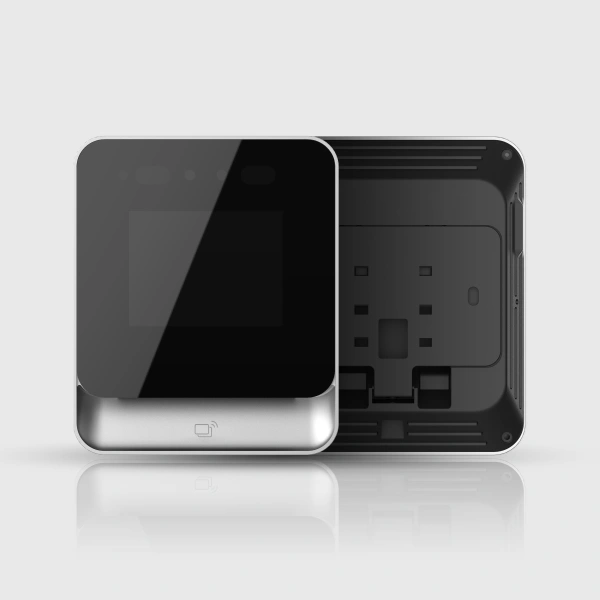
NAT-V3
Desktop Face Recognition Terminal
A 2.8-inch touchscreen terminal for employee attendance and office entry, with desktop or wall mounting and USB data export.
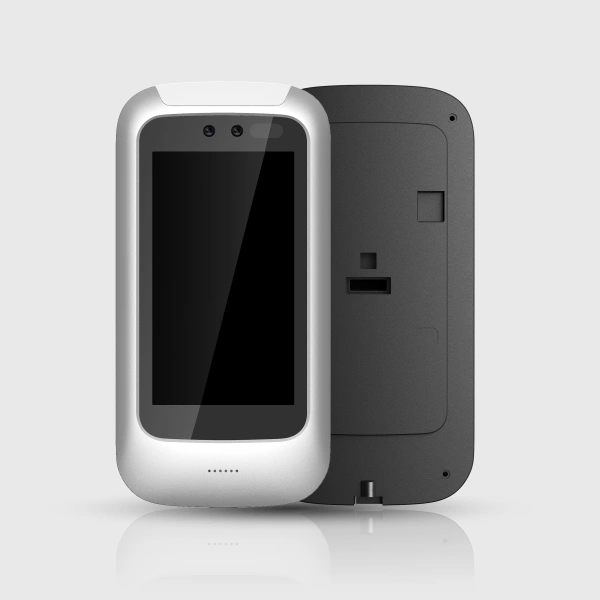
NAT-V5 Lite
5-Inch Face Recognition Terminal
A 5-inch IPS touchscreen terminal with dual-camera liveness detection, a built-in card reader and Wi-Fi for door and turnstile access.
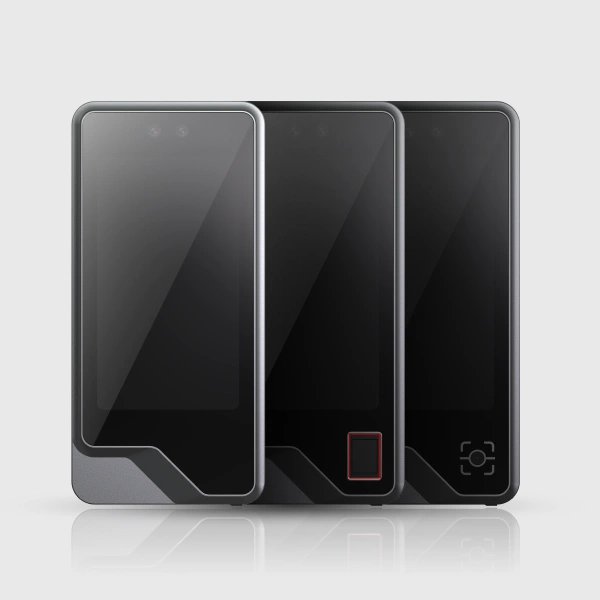
NAT-V5 Pro
Face & Card Access Terminal
Verify users by face or access card, with liveness detection and IP65 protection for commercial building entrances and employee access.
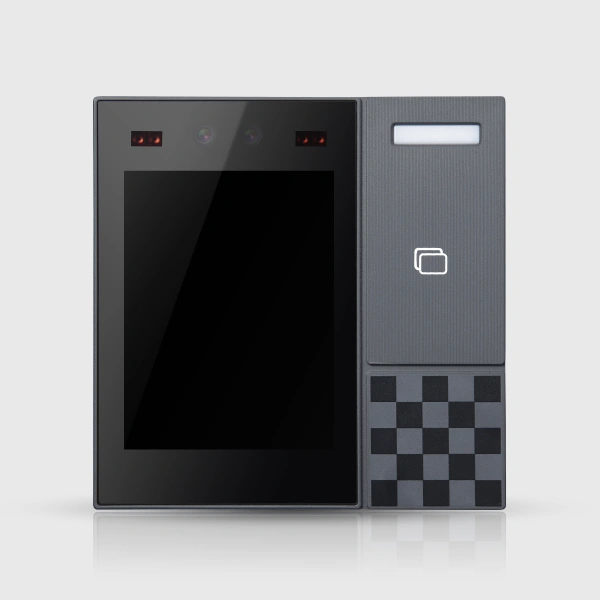
NAT-V6 Lite
Compact Face Access Terminal
A compact 2.8-inch terminal supporting face, card and password verification for office doors, shops and restricted indoor rooms.
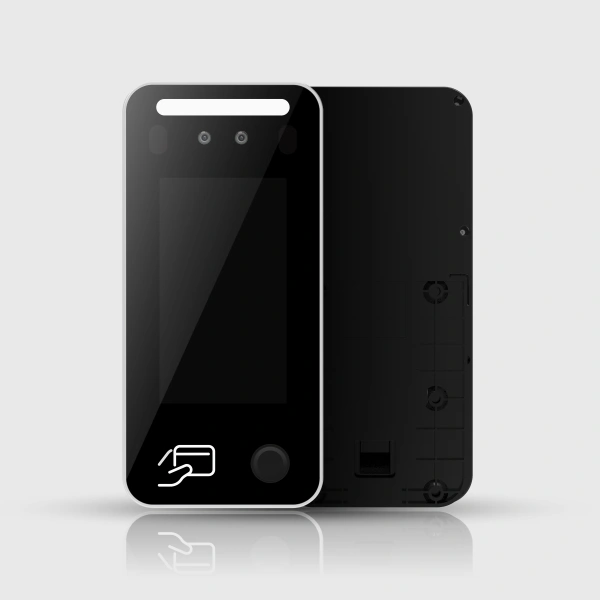
NAT-V6
5-Inch Face Access Terminal
A 5-inch touchscreen terminal with face and card verification, liveness detection, and Wiegand and RS485 connections for access system integration.
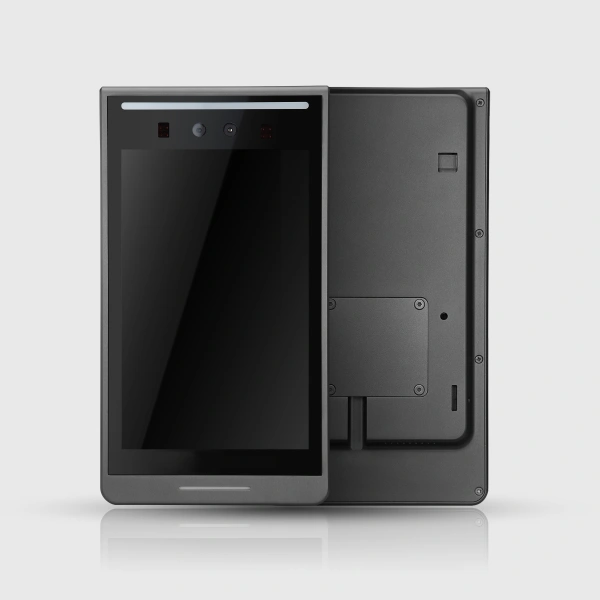
NAT-V6 Pro
8-Inch Face Recognition Terminal
An 8-inch touchscreen terminal with visible-light and infrared cameras, plus Wiegand and RS485 interfaces for door and turnstile integration.
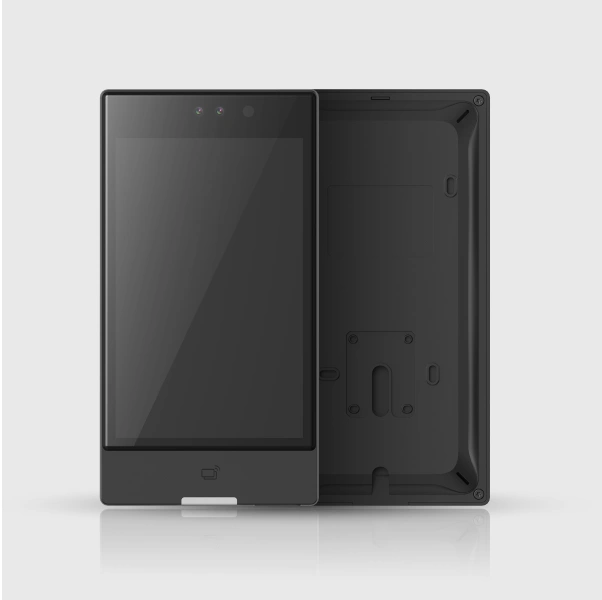
NAT-V8SE
8-Inch Biometric Access Terminal
An 8-inch IPS touchscreen terminal with face and card verification, IP65 protection, and wall or turnstile mounting options.
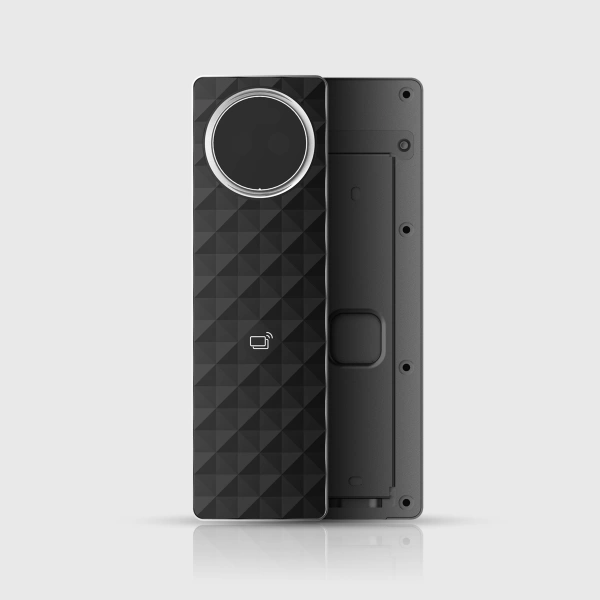
NAT-VX
Outdoor Face Recognition Terminal
An outdoor terminal with IP66 weather protection, IK10 impact resistance and PoE support for building entrances and perimeter access.
Key Functions of Face Recognition Terminals
Choose the functions and configuration that fit your project.
Face Verification
Verify enrolled users for controlled entry.
Multiple Credentials
Face, card or password options vary by model.
Attendance Management
Check attendance and record management options.
Door & Gate Control
Connect verification to doors or pedestrian gates.
System Integration
Confirm interfaces and software compatibility.
Flexible Installation
Review mounting options for your project.
Functions and installation options vary by model.
Flexible Applications Across Different Environments
Face recognition terminals can support identity verification, attendance and access management across a wide range of facilities. The appropriate model and configuration depend on installation conditions and project requirements.
Offices
Factories
Campuses
Commercial Properties
Residential Communities
Public Facilities
Choose the Right Configuration for Your Project
Selection Considerations
Integration Requirements
Frequently Asked Questions
Which terminal is suitable for my project?
Share your installation location, expected number of users, verification methods and management requirements. We can help identify suitable models and configurations.
Can it connect to my existing door or turnstile?
Compatibility depends on the terminal interfaces and your existing control system. Send us the controller or gate specifications so we can check the connection requirements.
Can the terminal be installed outdoors?
Outdoor suitability varies by model and installation conditions. Please confirm rain exposure, direct sunlight and the mounting location before selecting a device.
Can face recognition be combined with access cards?
Selected models support face recognition and access cards. Other verification options vary by model. Check the product specifications or contact us to confirm your required configuration.
Need Help Choosing a Face Terminal?
Send us your project requirements for model and configuration advice.