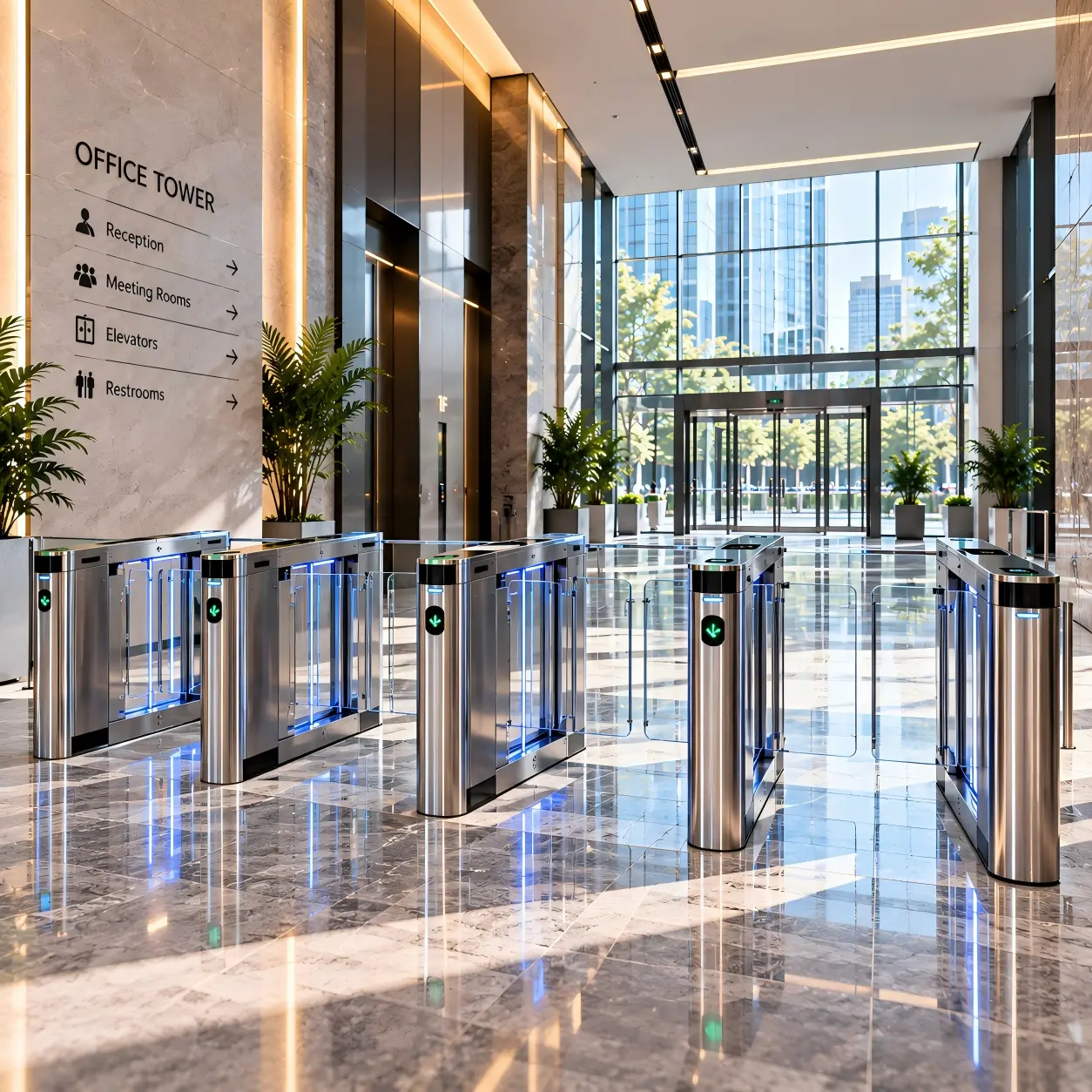
Introduction
As organizations continue to digitize workforce management, traditional attendance tracking methods are rapidly being replaced by biometric technologies. Among these solutions, the face recognition attendance system has become one of the most reliable and efficient tools for employee time tracking.
Unlike card-based attendance methods or manual sign-in sheets, facial recognition systems eliminate buddy punching and significantly improve attendance accuracy. Modern deployments are often integrated with facial recognition access control systems, enabling unified identity management across offices and facilities.
For B2B buyers, selecting the right solution is not only about software features but also about understanding manufacturing quality, hardware reliability, and AI capability. Edge-based architectures such as dynamic face recognition systems further improve accuracy in real-world environments.
What Is a Face Recognition Attendance System?
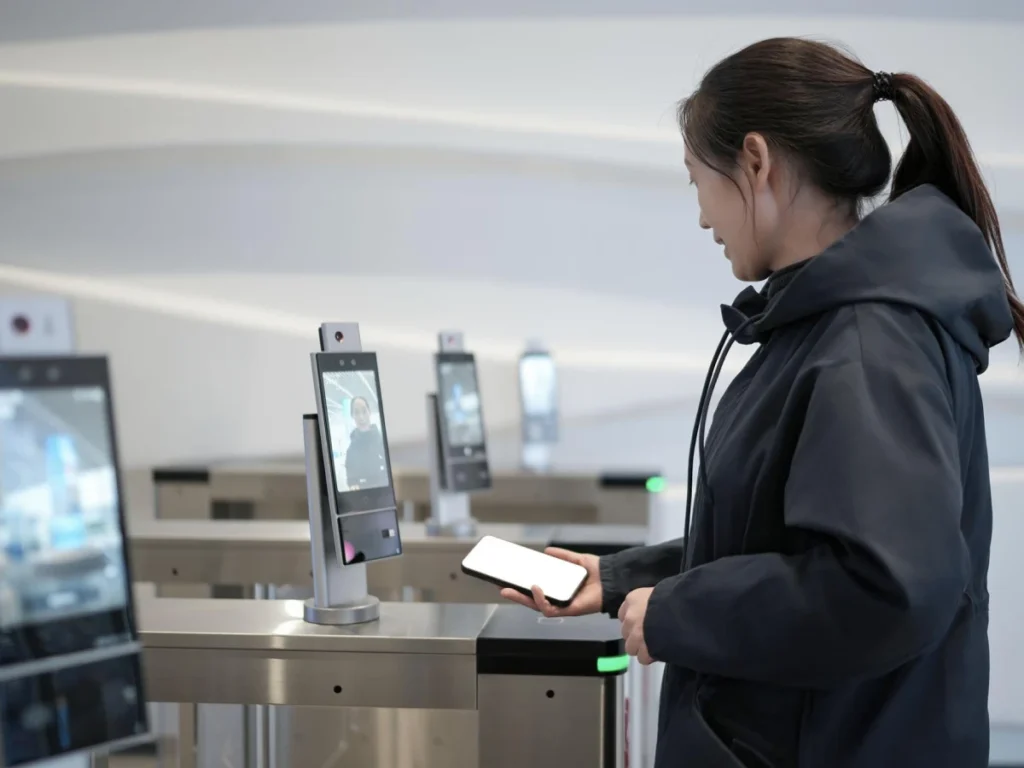
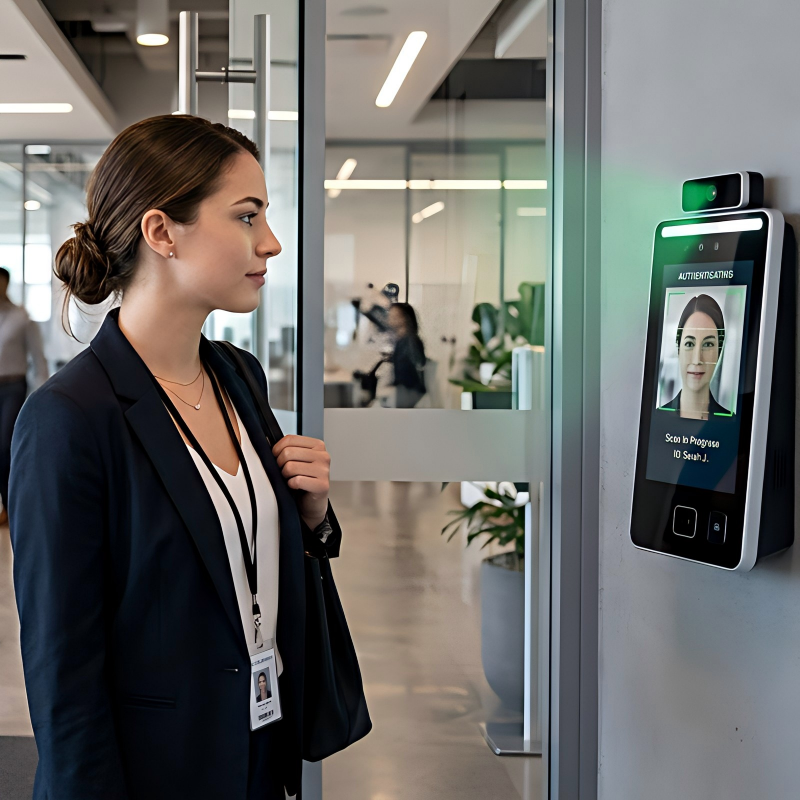
A face recognition attendance system is a biometric solution that automatically records employee attendance using facial recognition technology.
Modern systems often integrate with enterprise platforms such as HR software and payroll systems, similar to how enterprise-grade access control solution providers design unified security ecosystems.
According to the Society for Human Resource Management (SHRM), workforce attendance tracking plays a critical role in productivity and compliance
Why Businesses Are Replacing Traditional Attendance Methods
Modern enterprises are rapidly replacing legacy attendance systems due to efficiency and security needs.
Eliminate Buddy Punching
Facial recognition ensures identity verification and prevents fraudulent attendance.
Contactless Authentication
Compared with fingerprint systems, face-based systems improve hygiene and speed.
Real-Time Workforce Visibility
Integrated platforms provide centralized monitoring across multiple sites, similar to smart visitor management systems and enterprise access control solutions.
Core Components of a Face Recognition Attendance System
1. Biometric Recognition Terminal
- AI camera module
- Infrared liveness detection
- Embedded AI processor
These devices are similar to modern face recognition access control terminals used in security systems.
2. AI Processing Unit
AI algorithms handle face detection and matching. Advanced systems use edge computing in biometric terminals to reduce latency.
3. Connectivity Modules
Wi-Fi, Ethernet, and 4G/5G modules enable cloud synchronization.
Manufacturing Process of Face Recognition Attendance Systems
1. Product Design and Engineering
Manufacturers design PCB architecture, camera integration, and thermal systems using DFM principles.
2. Component Procurement
Key components include:
- Sony / OmniVision image sensors
- ARM processors
- AI chipsets
3. SMT PCB Assembly
Automated SMT production ensures accuracy and stability in hardware performance.
4. Hardware Integration
Cameras and sensors are calibrated to ensure recognition accuracy under different lighting conditions.
5. Enclosure Manufacturing
Industrial-grade enclosures ensure durability for long-term deployment.
6. Software Integration
Systems integrate APIs and SDKs, similar to modern biometric access control ecosystems.
7. Quality Control and Testing
Includes aging tests, temperature tests, and recognition accuracy validation.
Key Features B2B Buyers Should Prioritize
- High accuracy (>99%)
- Fast recognition (<1 second)
- Multi-site synchronization
- Payroll integration
- Data encryption
These features are standard in modern facial recognition access control systems used in enterprise environments.
Real-World Applications
Face recognition attendance systems are widely used in:
- Corporate offices
- Manufacturing plants
- Schools and universities
- Healthcare facilities
- Government institutions
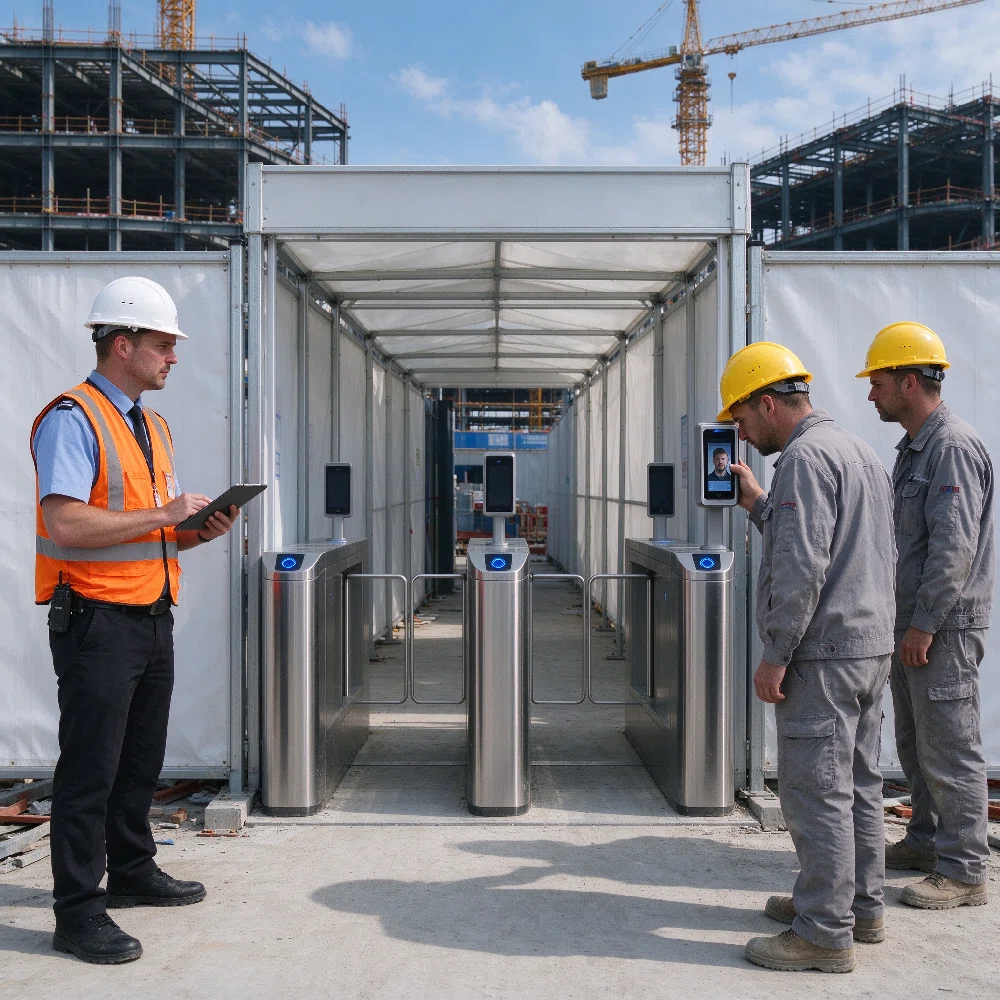
In manufacturing environments, they are often combined with turnstile-based access control systems to ensure secure entry management.
Future Trends in Workforce Management
AI Workforce Analytics
Attendance data is increasingly used for productivity optimization.
Edge AI Processing
Local processing improves speed and security.
Unified Security Systems
Attendance, access control, and visitor management are converging into one platform.
Conclusion
Face recognition attendance systems are becoming a core component of modern workforce management solutions.
By integrating biometric authentication, AI processing, and cloud-based management, enterprises can improve efficiency, reduce fraud, and achieve real-time workforce visibility.
For B2B buyers, choosing a reliable manufacturer with strong R&D capability in facial recognition access control systems is critical for long-term deployment success.
FAQ
What is a face recognition attendance system?
A biometric system that records attendance using facial recognition technology.
Can it work offline?
Yes, most edge AI systems support offline recognition.
What industries use it?
Offices, factories, schools, hospitals, and government organizations.
Is it more accurate than RFID?
Yes, because it verifies biological identity instead of cards or tags.
External References
- SHRM Workforce Management Guide
https://www.shrm.org/resourcesandtools/tools-and-samples/toolkits/pages/managingemployeeattendance.aspx - NIST Face Recognition Vendor Test (FRVT)
https://www.nist.gov/programs-projects/face-recognition-vendor-test-frvt