Introduction
In the modern security industry, access control solution providers play a critical role in designing integrated biometric security systems.
These systems are widely used across enterprises that deploy facial recognition access control systems to improve security efficiency and automate identity verification.
Modern solutions are no longer standalone devices. They are often integrated with platforms such as access control solution provider solutions to achieve unified management of attendance, entry control, and visitor tracking.
At the hardware level, many manufacturers rely on facial recognition system manufacturing expertise to ensure system stability and biometric accuracy.
Why Traditional Access Control Systems Are No Longer Enough
Traditional access control systems such as RFID cards and password-based systems are gradually being replaced.
Key limitations include:
- Card sharing or loss risks
- Slow manual verification
- Lack of real-time data
- Limited system integration
Because of these limitations, many enterprises are upgrading to facial recognition access control systems
for faster and more secure identity verification.
How Modern Access Control Systems Work
A modern system typically follows four steps:
1. Identity Capture
A camera captures facial data when a person approaches the terminal.
2. Feature Extraction
AI extracts biometric features such as facial geometry and depth information.
3. AI Matching
The system compares captured data with stored encrypted templates.
4. Access Decision
If matched, the system triggers door or turnstile access.
To improve performance and reduce latency, many systems use edge computing in biometric terminals for local AI processing.
Core Technologies Behind Access Control Systems
Modern systems rely heavily on AI and biometric recognition technologies.
Facial Recognition Algorithms
Used for fast identity verification and user matching.
Liveness Detection
Prevents spoofing attacks using photos or videos.
Advanced systems further enhance accuracy using dynamic face recognition technology which adapts to lighting and movement conditions.
Industrial Applications of Access Control Systems
Access control systems are widely used across multiple industries:
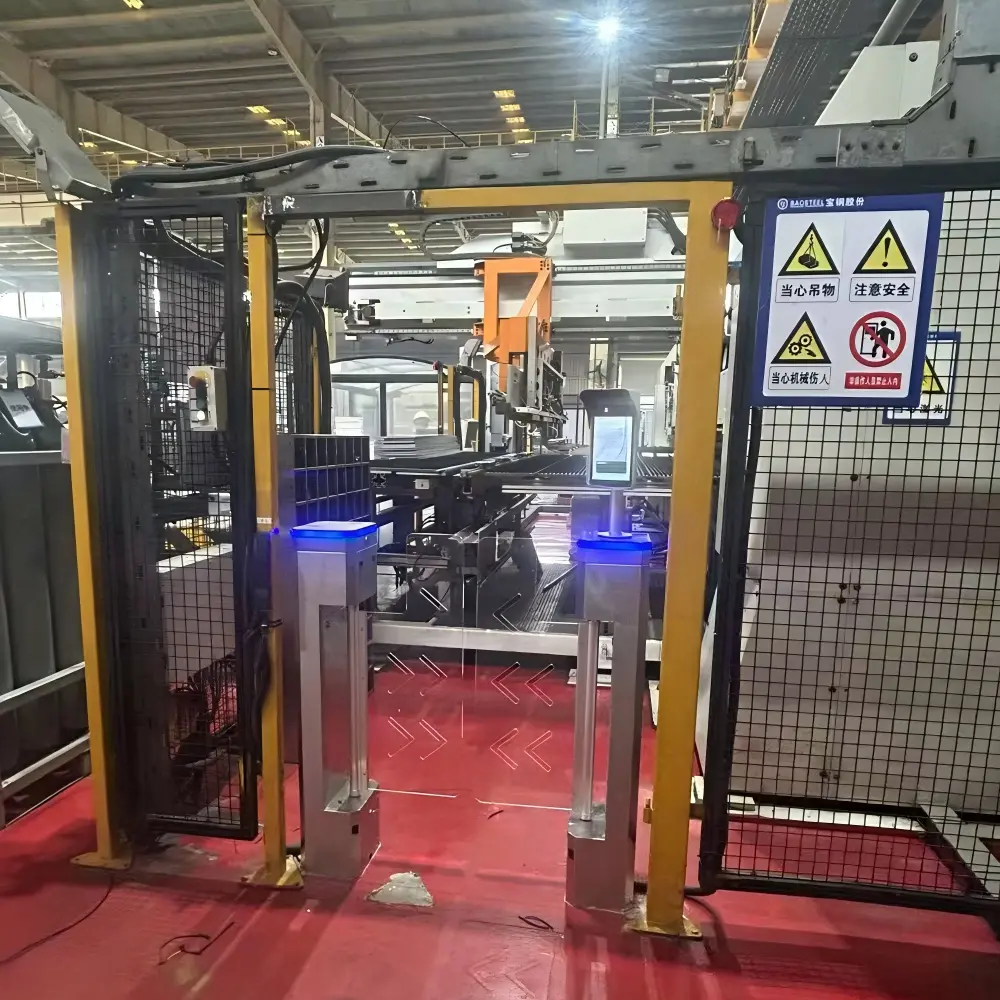
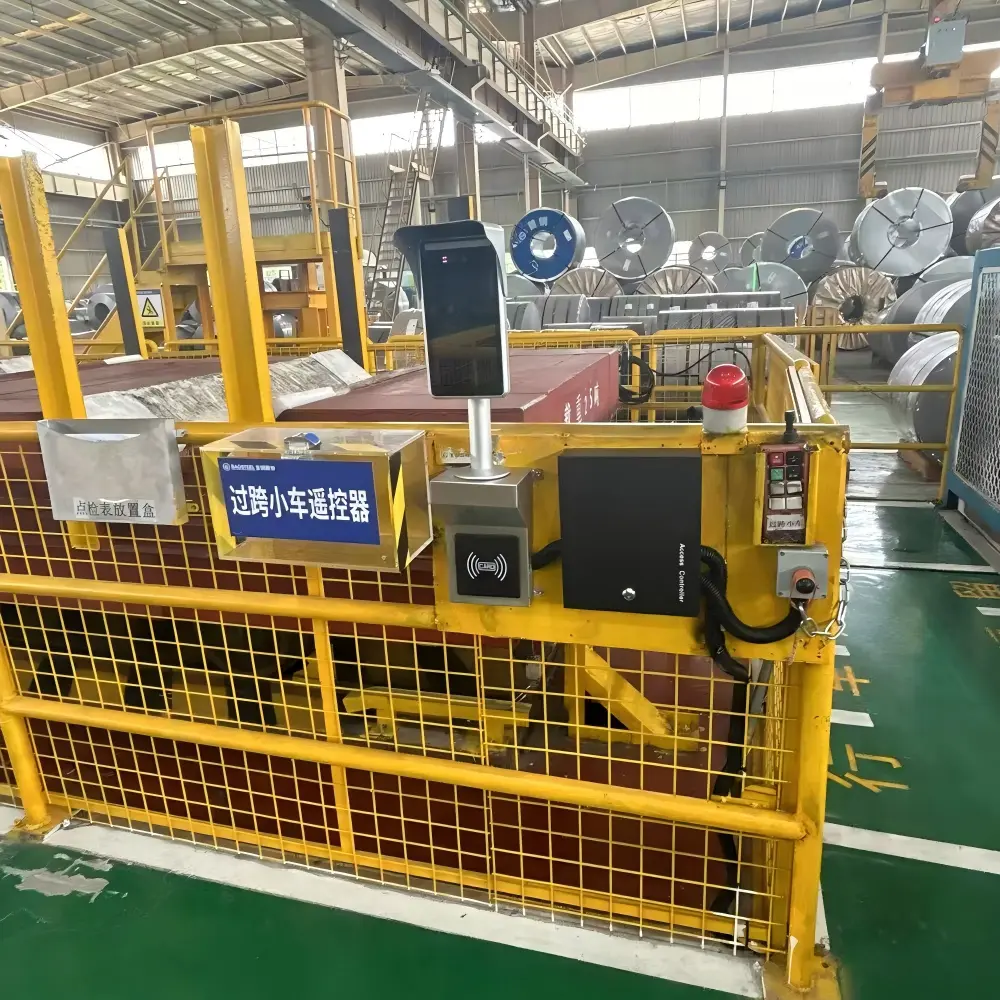
Manufacturing Plants
Used for workforce access control and attendance tracking.
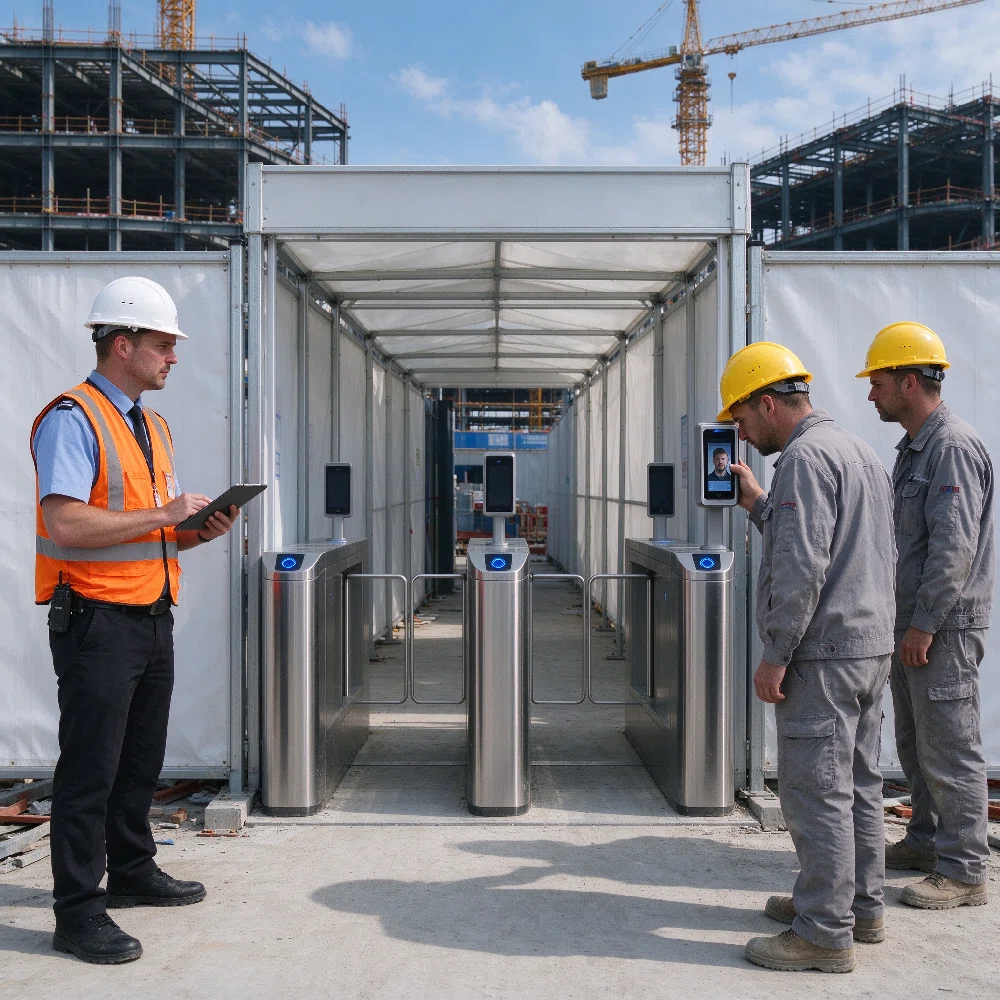
Construction Sites
Used to manage worker entry and safety compliance.
Example deployment:
construction site facial recognition gate systems
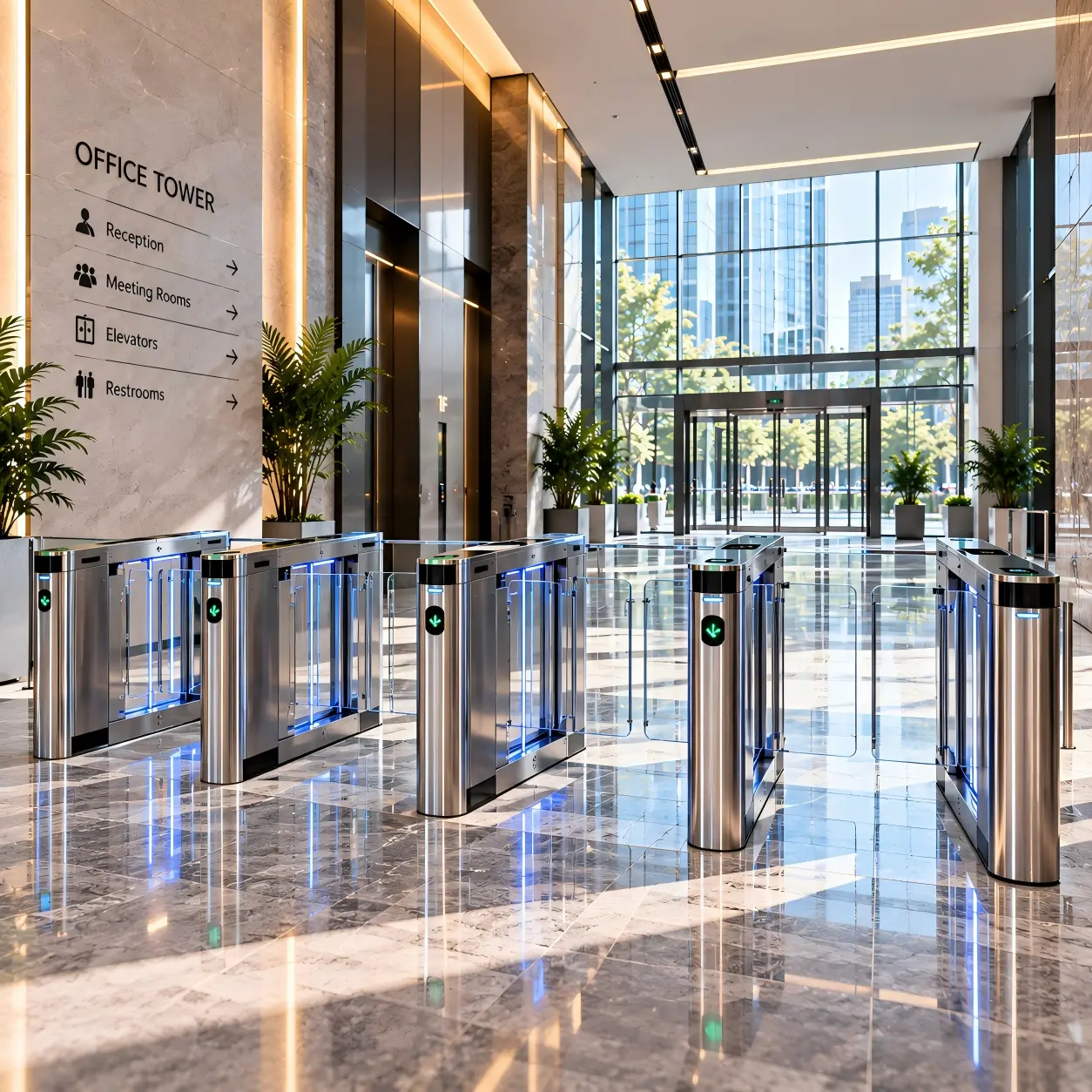
Office Buildings
Used for employee attendance and building security.
Logistics Centers
Used for large-scale workforce monitoring.
System Integration in Smart Security Ecosystems
Modern access control systems are not standalone solutions.
They are often integrated into enterprise platforms designed by access control solution providers to unify:
- Access control
- Attendance systems
- Visitor management
- Security monitoring
This integration improves both efficiency and data consistency across organizations.
Why Edge Computing Is Important
Edge computing has become a key technology in biometric systems.
Instead of relying entirely on cloud servers, data is processed locally on the device.
Benefits include:
- Faster response time
- Lower network dependency
- Higher privacy protection
- Offline functionality
This is widely adopted in systems developed by biometric edge computing platforms
Security Standards and Compliance
Access control systems must comply with global standards such as:
- CE certification
- FCC compliance
- RoHS environmental standards
Industry guidelines are also provided by organizations like:
👉 https://www.securityindustry.org/
Future Trends in Access Control Systems
The industry is moving toward:
AI-Driven Security
More intelligent identity verification systems.
Cloud + Edge Hybrid Architecture
Combining local processing with cloud analytics.
Unified Security Platforms
Access control, attendance, and visitor systems merging into one ecosystem.
Conclusion
Access control solution providers are evolving from hardware manufacturers into full system integrators.
By combining facial recognition, AI algorithms, and edge computing, modern systems deliver higher security, faster authentication, and better scalability.
For enterprises, selecting a reliable access control solution provider is essential for building a stable and future-ready security infrastructure.
FAQ
Will the recognition accuracy of facial recognition access control systems decrease in dusty workshop environments?
Industrial-grade facial recognition access control systems typically feature an IP65 protection rating or higher. Their camera modules are treated with a special coating that provides a degree of self-cleaning capability and resistance to oil and grime. Coupled with powerful algorithms for error correction, the system maintains high-precision recognition performance even if an employee’s face is lightly covered in dust.
How can the use of photos or mobile phone videos by employees to “clock in” on behalf of others be prevented?
Professional systems employ dual-camera liveness detection technology. The device’s infrared camera captures the heat emitted by a human face as well as its 3D structural data; since photos and digital screens cannot replicate these unique biometric characteristics, this effectively eliminates fraudulent clock-in attempts.
If the factory expands its operations, can the existing system be scaled up?
Modern facial recognition access control systems predominantly utilize a distributed architecture. Adding new access points simply requires installing additional hardware within the local area network (LAN) and synchronizing the database; there is no need to replace the core management platform, offering exceptional scalability.
Will wearing a face mask or safety goggles affect recognition speed?
In the technological landscape of 2026, mainstream facial recognition algorithms have undergone extensive optimization specifically targeting facial features around the eyes and brow ridge. Consequently, even when employees are wearing face masks or transparent safety goggles, the system remains capable of completing identity verification within 0.3 seconds.