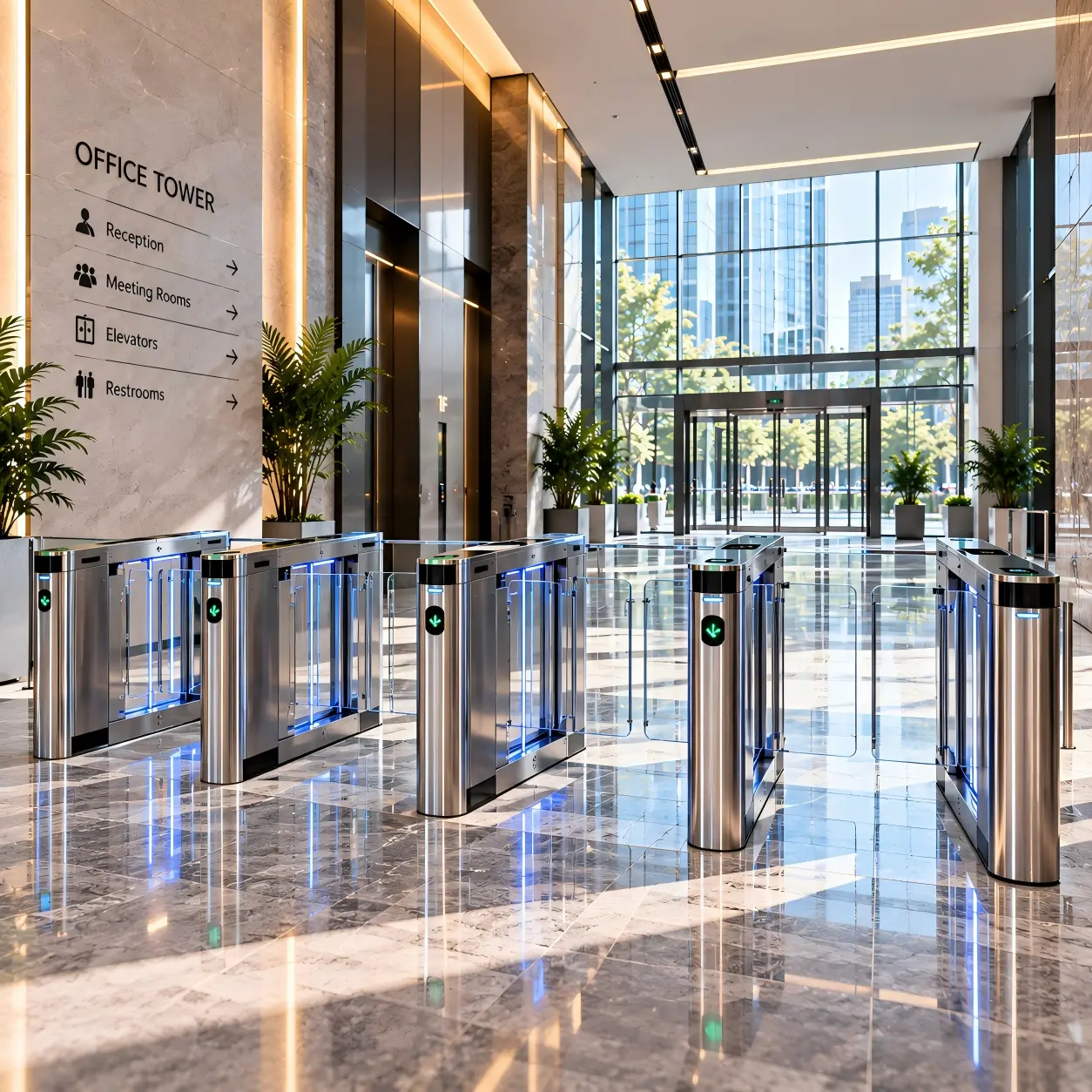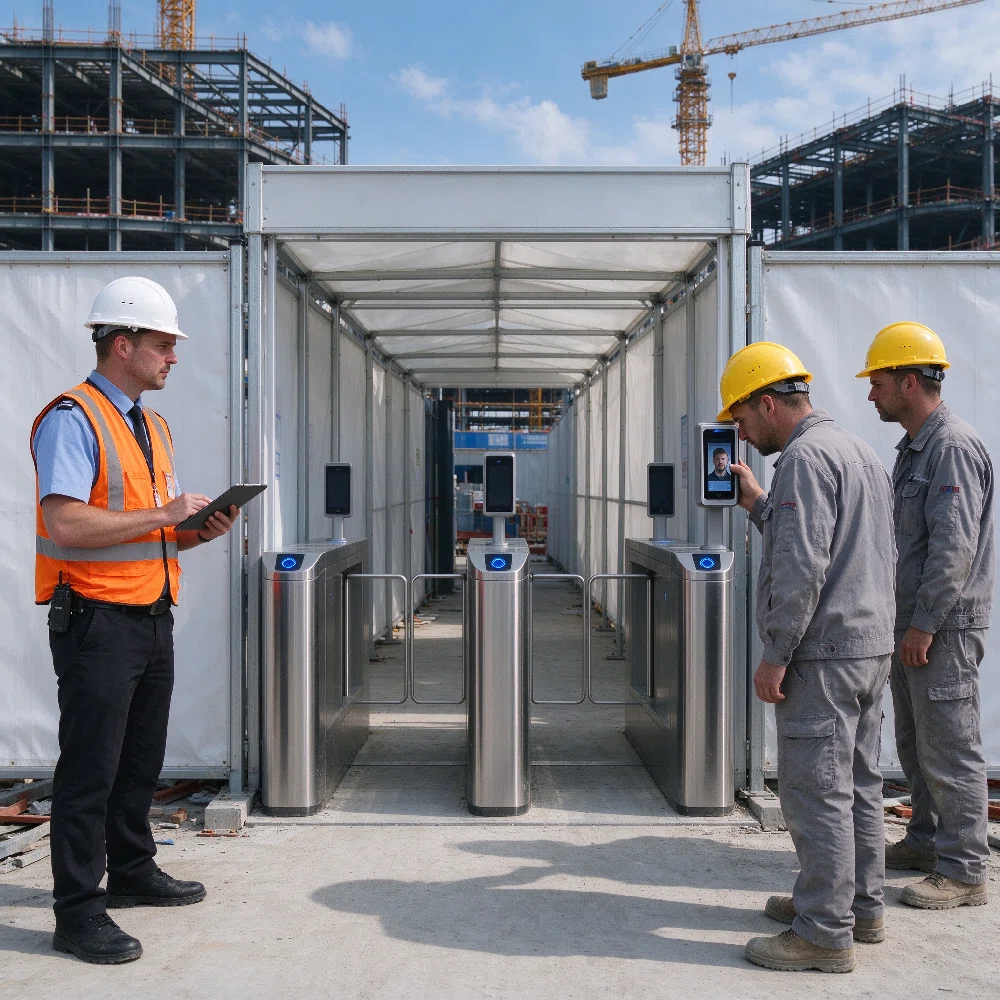
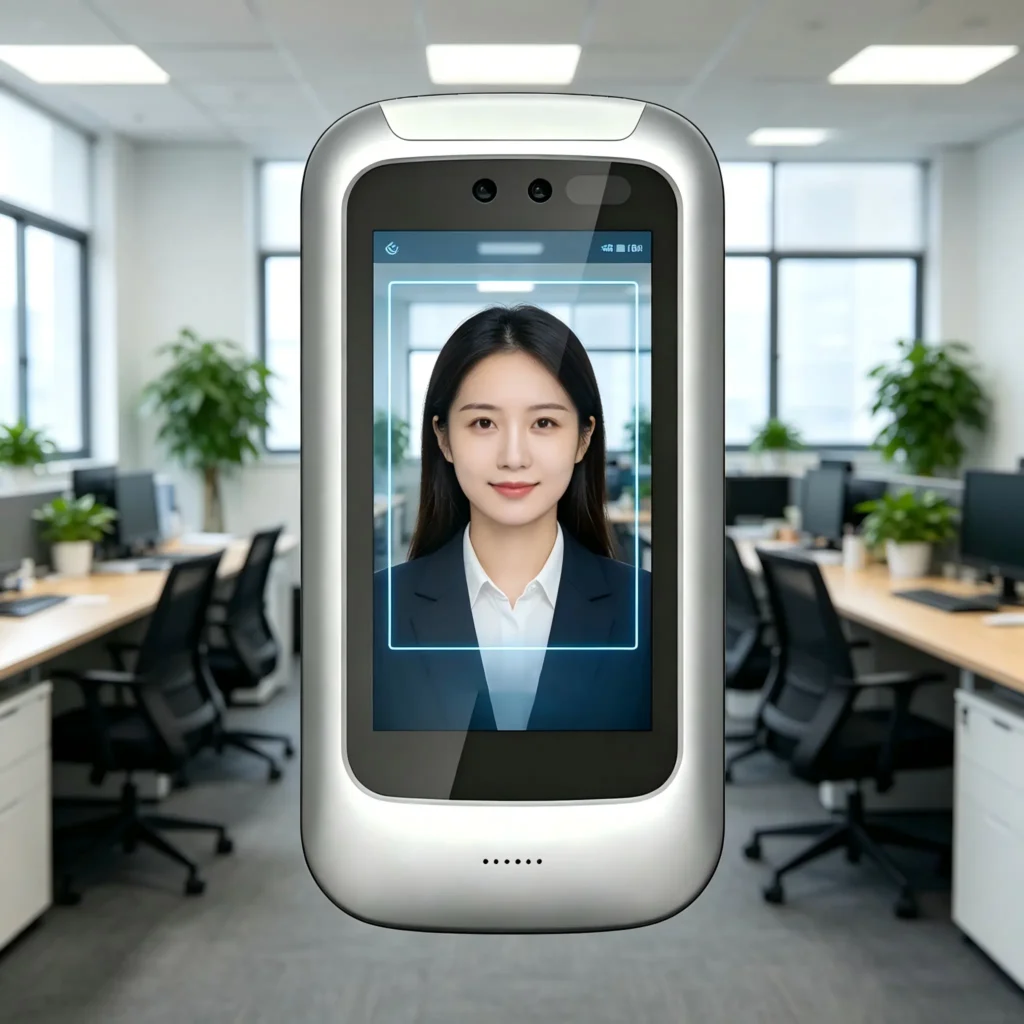
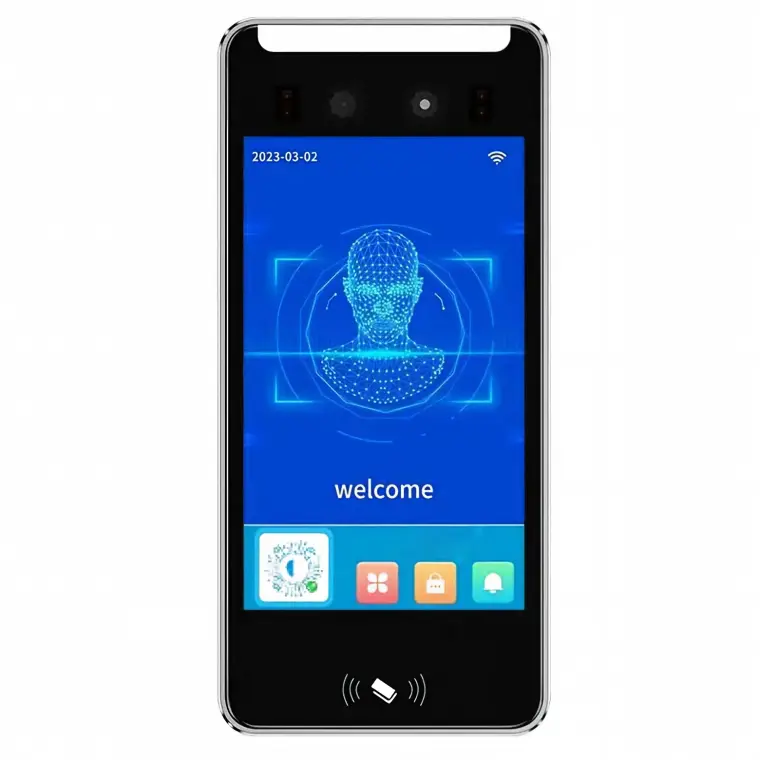
In today’s security landscape, businesses increasingly rely on a professional access control solution provider to build scalable and intelligent systems. Modern solutions such as facial recognition access control systems enable accurate real-time identity verification across industrial and office environments.
The Leap from “Static Recognition” to “Dynamic Intelligence”
In the realm of traditional biometric technology, most systems rely on users to “pause and cooperate” for identification. However, with advancements in AI algorithms and hardware capabilities, dynamic face recognition is fundamentally transforming this paradigm.
It enables systems to perform precise identification while users are in motion, under complex lighting conditions, or even within multi-person environments—thereby realizing truly “seamless passage.”
For enterprises, this represents far more than a mere technological upgrade; it signifies a dual leap forward in both efficiency and security.
What is Dynamic Face Recognition?
Dynamic face recognition technology combines high-precision algorithms with AI edge computing. Integrating this with industrial access control systems can dramatically improve security and operational efficiency in factories.
Unlike traditional systems, it possesses the following capabilities:
Identification without the need to pause
Simultaneous recognition of multiple individuals
Adaptability to complex environments (backlighting, low light)
System Components
Layer Components
Frontend AI Cameras, Recognition Terminals
Mid-tier Edge Computing Devices
Backend Cloud Platform & Database
This architecture transforms dynamic face recognition into a truly real-time management tool.
Core Technology: How Does It Achieve “Dynamic Recognition”?
Upgraded AI Vision Algorithms
Deep Learning Models (CNN / Transformer)
Facial Landmark Tracking (68+ landmarks)
Multi-Frame Fusion Recognition
The system continuously analyzes video frames rather than relying on single images.
Liveness Detection (Anti-Spoofing)
Prevents:
Photo Attacks
Video Spoofing
Mask Impersonation
Edge Computing (Edge AI)
Advantages:
Reduced Latency (<0.3 seconds)
Enhanced Data Security
Reduced Bandwidth Dependency
Integrating dynamic recognition with facial recognition access control ensures high accuracy even in challenging environments.
Manufacturing Perspective: How is Dynamic Face Recognition Produced?
Hardware-Layer Manufacturing
① PCB and Core Board Design
AI Chip (NPU/GPU) Integration
High-Speed Data Processing Architecture
② Camera Module Integration
RGB + Infrared Dual Cameras
ToF / Structured Light (High-end Devices)
③ Automated SMT Production
High-speed Component Placement
AOI Inspection
Reflow Soldering
This stage determines product stability.
Software and Algorithm Deployment
Dynamic Face Tracking Model
Behavioral Analysis Algorithms
Data Encryption System
System-Level Testing
Multi-Person Recognition Stress Testing
Dynamic Recognition Accuracy Verification
Complex Lighting Environment Testing
The Business Value of Dynamic Face Recognition
① Seamless Access Experience
No need for users to pause:
Recognition occurs while walking
No card-swiping or code-scanning required
Increases access efficiency by 30%–70%
② Enhanced Security Levels
Compared to traditional systems:
More resistant to attacks
Real-time monitoring of anomalous behavior
③ Data-Driven Management
The system generates:
Pedestrian flow heatmaps
Behavioral path analysis
Real-time alerts
Application Scenarios (Broader Than You Think)
Enterprise Offices
Seamless Attendance Tracking
Smart Access Control
Internal Link Recommendation:
/face-recognition-attendance-system
Factories & Industrial Parks
Secure Zone Control
Employee Location Tracking
Transportation & Urban Mobility
Subway Turnstiles
Airport Security Checkpoints
Retail & Commerce
Customer Flow Analysis
Precision Marketing
How to Choose a Dynamic Face Recognition Vendor?
✔ Key Evaluation Criteria
- Dynamic Recognition Capabilities
Does it support recognition of moving subjects?
Does it support simultaneous recognition of multiple individuals? - Hardware Performance
Camera Frame Rate (≥ 30fps)
AI Chip Computing Power - System Scalability
API / SDK Support
Multi-Device Interoperability - Manufacturing Capabilities
Does it possess SMT production lines?
Does it support OEM/ODM?
Future Trends: Where Is Dynamic Face Recognition Heading?
Trend 1: Multimodal Fusion
Face + Behavioral Recognition
Face + Voiceprint Recognition
Trend 2: Privacy-Preserving Computing
Local Data Processing
Federated Learning
Trend 3: The Core Gateway to Smart Cities
City-Scale Identity Systems
Domain-Wide Data Interconnectivity
https://www.nist.gov/programs-projects/face-recognition-vendor-test-frvt
FAQ
What is dynamic face recognition?
Dynamic face recognition is a technology that identifies individuals in motion using real-time video analysis and AI algorithms.
How is it different from traditional face recognition?
Traditional systems require users to stop, while dynamic systems work during movement and in complex environments.
Is dynamic face recognition secure?
Yes, it includes liveness detection, encryption, and AI-based verification to prevent spoofing.
Where is dynamic face recognition used?
It is used in offices, factories, smart cities, transportation hubs, and retail environments.
Can it work offline?
Yes, many systems use edge AI to process data locally without requiring constant internet access.
From Recognition Tool to “Real-time Intelligent System”
Dynamic face recognition is evolving from a mere recognition tool into the core engine of enterprise digital management.
It delivers more than just:
Faster recognition speeds
Higher security levels
More importantly, it provides:
Real-time, data-driven intelligent decision-making capabilities
For enterprises, selecting a mature dynamic face recognition solution represents not merely a technological investment, but the very foundation of their future competitiveness.
Edge computing can further enhance speed and privacy:
👉 Benefits of Edge Computing in Biometric Terminals
Recommended Reading
Facial Recognition Access Control
Face Recognition Gate for Construction Site Safety Guide
Digital Lockout Tagout (LOTO) System