Introduction
In today’s global security industry, the difference between a basic hardware supplier and a true access control solution provider lies in engineering depth, manufacturing capability, and system integration expertise.
Modern security systems are no longer standalone devices. They are part of a connected ecosystem that includes facial recognition terminals, biometric verification systems, and intelligent workforce management platforms.
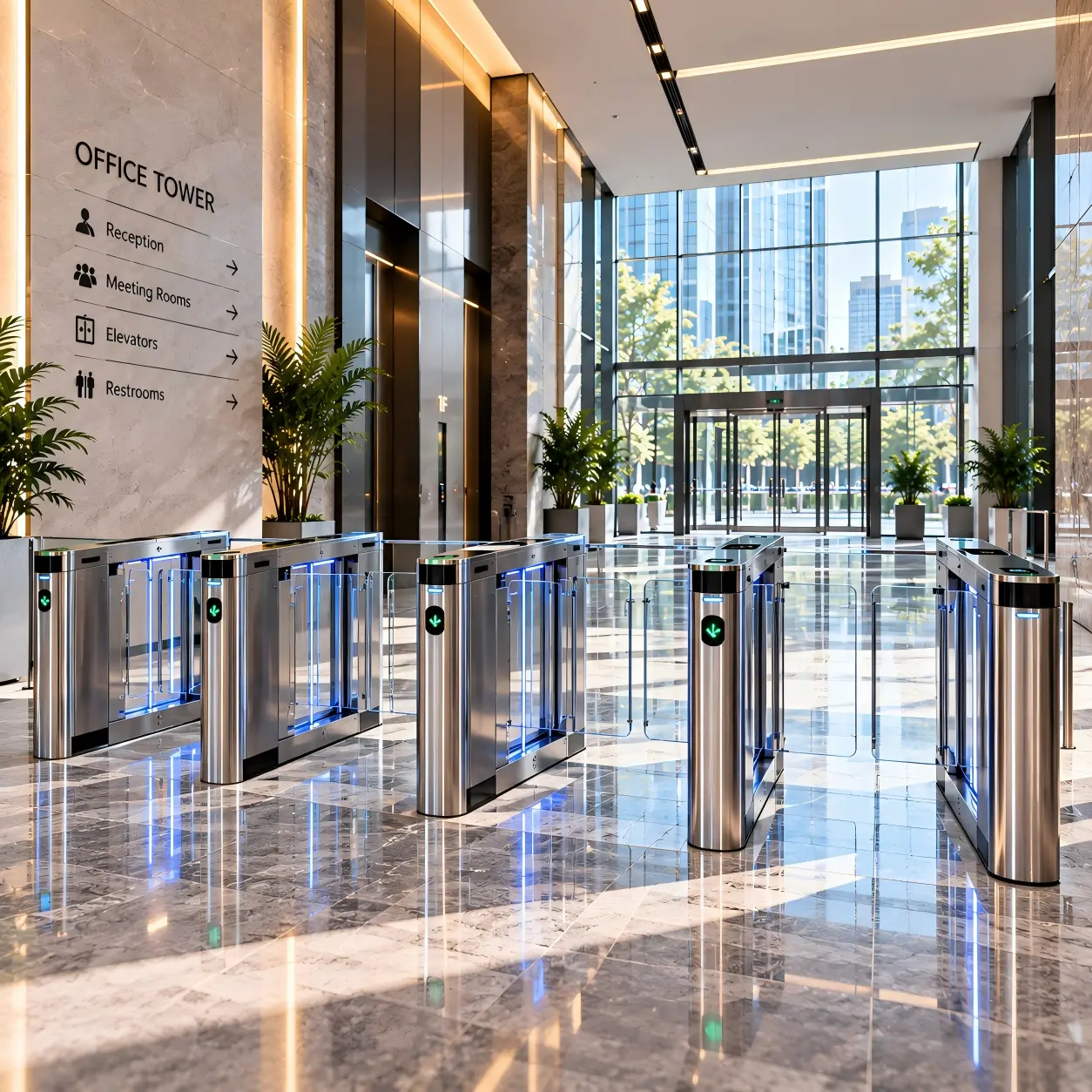
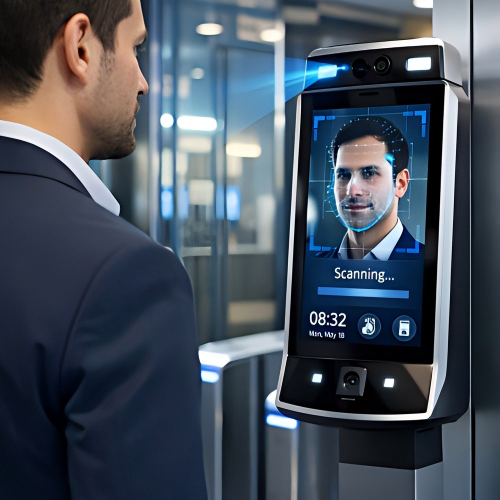
Many enterprises now deploy facial recognition access control systems to unify identity verification across offices, factories, and public facilities, improving both security and operational efficiency.
This article explores how professional access control hardware is designed, manufactured, and tested to meet global deployment standards.
From Hardware Supplier to Solution Provider
A true access control solution provider does more than sell devices. It designs complete security ecosystems that combine hardware, firmware, and software integration.
In modern deployments, access control systems are often connected with attendance and identity platforms such as facial recognition system manufacturers, enabling unified data management across multiple environments.
Industrial Design and Mechanical Engineering
The foundation of any access control system begins with mechanical engineering.
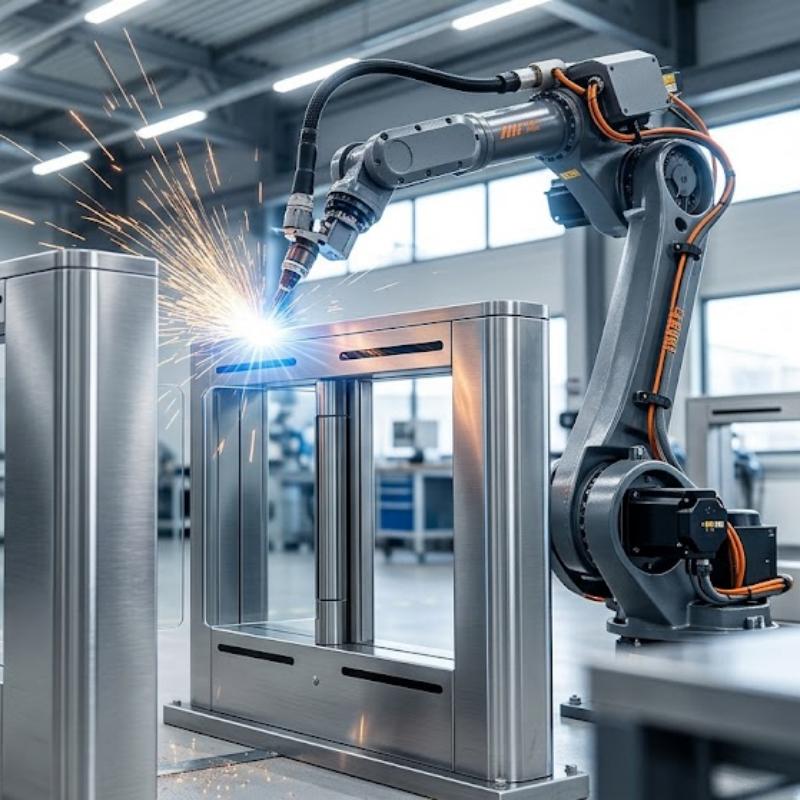
High-traffic environments such as office buildings, factories, and transportation hubs require durable structures made from SUS304 or SUS316 stainless steel.
Typical manufacturing processes include:
- CNC laser cutting for precision structural components
- Robotic welding for consistent mechanical strength
- Surface polishing for corrosion resistance
- Modular chassis design for easier maintenance
To ensure long-term reliability, manufacturers must also consider integration with face recognition turnstile systems, which combine physical barriers with biometric authentication.
PCBA and SMT Manufacturing Excellence
The intelligence of an access control system is built on its PCB and SMT production line.
Modern biometric terminals rely heavily on edge computing hardware integrated directly into the PCBA.
Key manufacturing processes include:
- Solder Paste Inspection (SPI)
- Automated Pick-and-Place assembly
- Reflow soldering with thermal profiling
- Automated Optical Inspection (AOI)
These processes ensure stability for systems operating 24/7 in environments such as smart buildings and industrial sites.
Edge processing capabilities are further enhanced through biometric terminal edge computing architectures.
Biometric Integration and AI Recognition Systems
Modern access control systems rely on advanced biometric technologies, especially facial recognition.
A professional system integrates:
- Visible light imaging
- Infrared liveness detection
- AI-based facial feature extraction
- Anti-spoofing algorithms
These technologies are commonly used in dynamic face recognition systems, which improve accuracy in complex lighting conditions.
Edge AI and System Intelligence
Unlike traditional cloud-dependent systems, modern access control devices increasingly use edge AI processing.
This allows real-time identity verification without relying on continuous internet connectivity.
Edge-based systems are also widely used in:
- Smart factories
- Office buildings
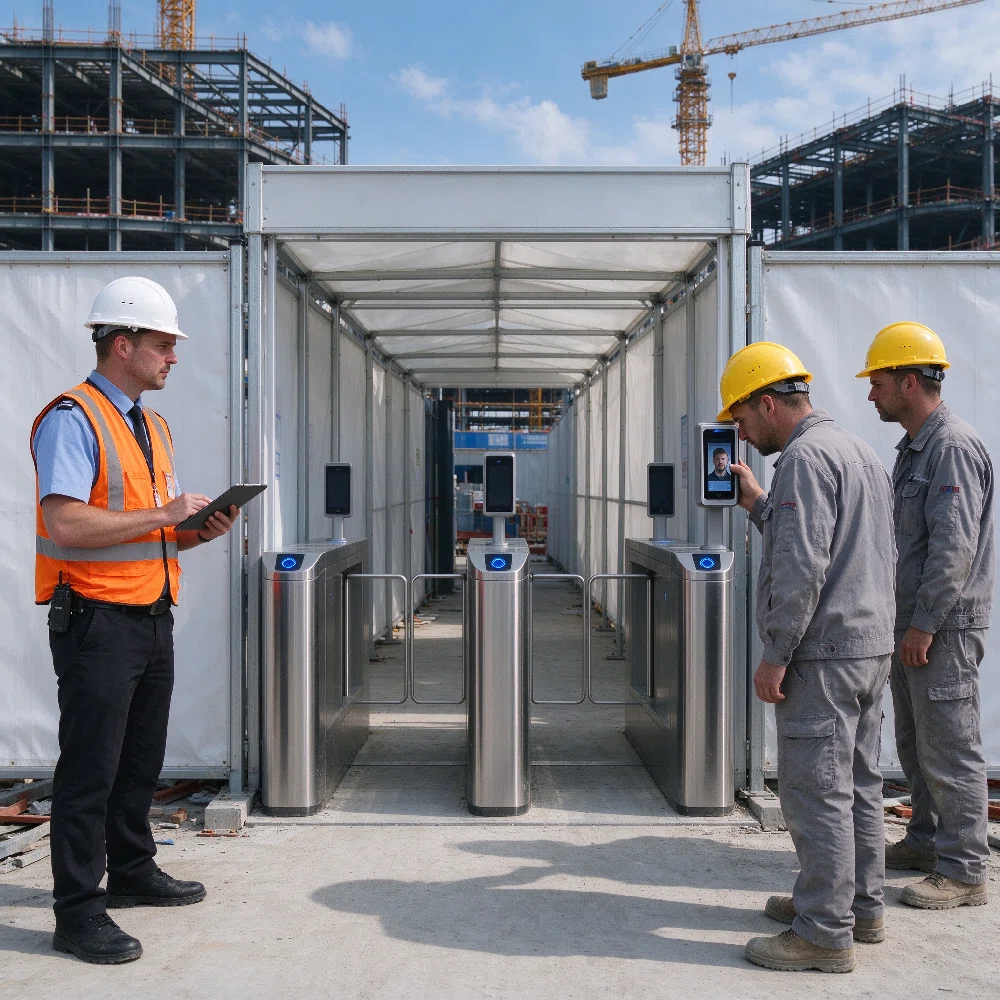
- Construction sites
- Public transportation hubs
Quality Assurance and Industrial Testing
Before deployment, every access control device undergoes strict testing procedures, including:
- High-temperature aging tests
- Salt spray corrosion tests
- Vibration resistance testing
- IP65/IP66 waterproof validation
- Long-cycle durability testing
These tests ensure long-term reliability in harsh environments such as coastal regions and industrial facilities.
Real-World Deployment Scenarios
Access control systems are widely used in modern infrastructure projects.
For example, construction site safety systems often deploy biometric entry gates to ensure secure access control and workforce tracking.
👉 Related application:
https://newautot.com/face-recognition-gate-construction-site-safety-guide/
Why Businesses Choose Modern Access Control Providers
Enterprises today are shifting toward integrated security ecosystems that combine:
- Access control
- Attendance management
- Visitor tracking
- AI-based identity verification
This integration is often achieved through collaboration with experienced access control solution providers who specialize in hardware-software ecosystem design.
Global Standards and Compliance
Professional manufacturers must comply with international certifications such as:
- CE certification
- FCC compliance
- RoHS environmental standards
Industry standards are often guided by organizations such as the Security Industry Association (SIA), which defines best practices for biometric and access control systems.
👉 https://www.securityindustry.org/
Supply Chain and Manufacturing Stability
A reliable access control solution provider must maintain a stable global supply chain.
This includes partnerships with:
- Semiconductor manufacturers
- Camera sensor suppliers
- AI chip vendors
- Industrial component providers
Stable supply chains ensure long product lifecycle support and consistent quality across global deployments.
Conclusion
The evolution of access control systems is closely tied to advances in biometric technology, AI processing, and industrial manufacturing.
Modern systems are no longer simple hardware devices—they are intelligent security platforms that combine facial recognition, edge computing, and integrated software ecosystems.
For enterprises, selecting the right access control solution provider is a long-term investment in security, efficiency, and scalability.
As the industry continues to evolve, manufacturers capable of delivering high-performance, AI-powered, and globally compliant solutions will define the future of intelligent security infrastructure.
FAQ
What is an access control solution provider?
A company that designs and manufactures integrated security systems including hardware, software, and biometric technologies.
What technologies are used in modern access control systems?
Facial recognition, AI edge computing, infrared sensing, and cloud-based management platforms.
What industries use access control systems?
Offices, factories, construction sites, transportation hubs, and government facilities.
What is edge computing in access control systems?
Edge computing processes biometric data locally on the device to reduce latency and improve security.
Are facial recognition systems reliable?
Yes, modern systems achieve high accuracy using AI algorithms and liveness detection technologies.