Introduction
When a security manager or a factory owner starts researching biometric upgrades, the first question that usually surfaces is: What is the average cost of a face recognition access control system? In 2026, the answer is no longer a simple sticker price. It is an equation involving hardware durability, algorithm precision, and the long-term value of the data generated.
Cost considerations include hardware selection, such as facial recognition access control terminals, and integration with existing infrastructure.
At New Auto Element, we have witnessed the evolution of this technology since our founding in 2004. With two decades of experience in vision algorithms,we understand that the true “average cost” is actually the Total Cost of Ownership (TCO).
The Three Tiers of Biometric Investment
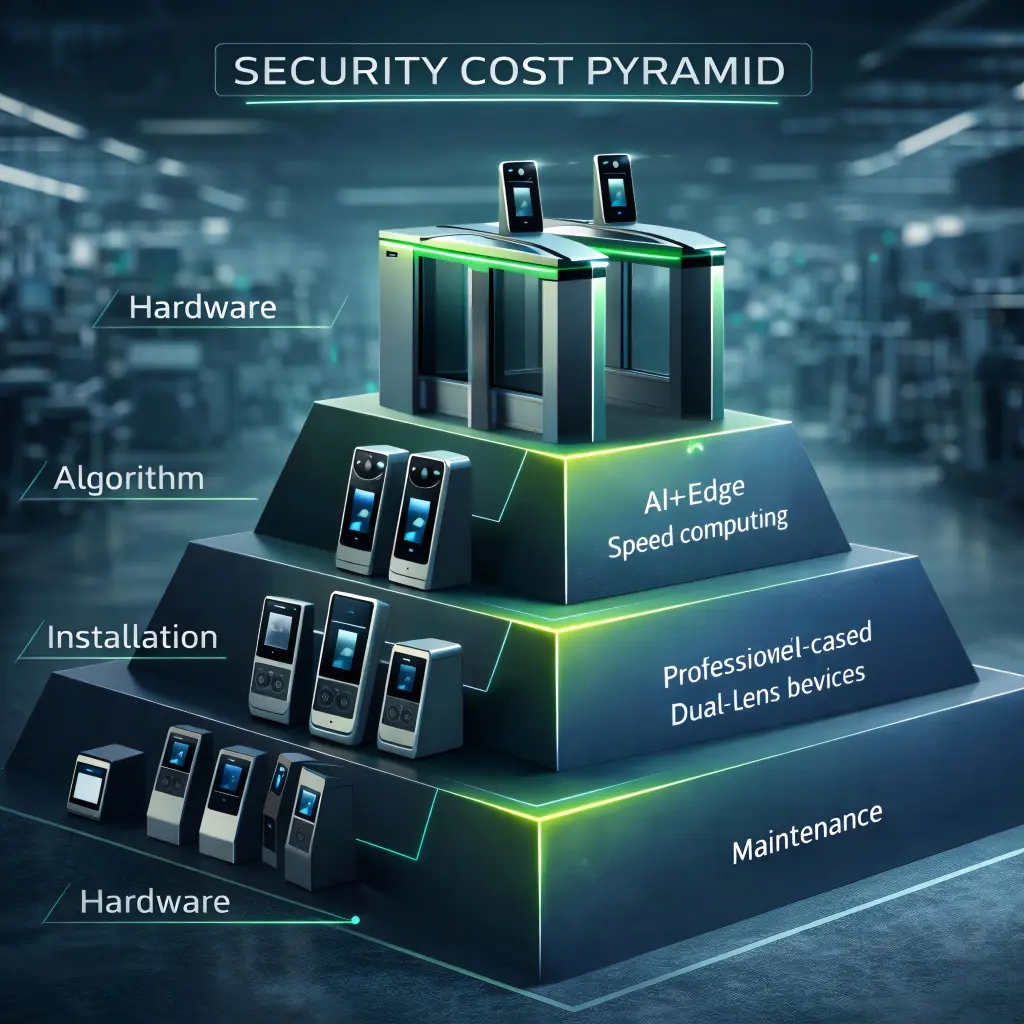
To accurately answer what is the average cost of a face recognition access control system, we must categorize the technology into three distinct market tiers.
Entry-Level Commercial Devices ($150 – $400 per unit)
These are typically standalone devices used for small offices or retail stores. They often rely on standard 2D recognition algorithms. While the initial investment is low, these systems may struggle with lighting changes or “photo spoofing” attacks, leading to higher maintenance costs over time.
Professional Industrial Grade ($600 – $1,500 per unit)
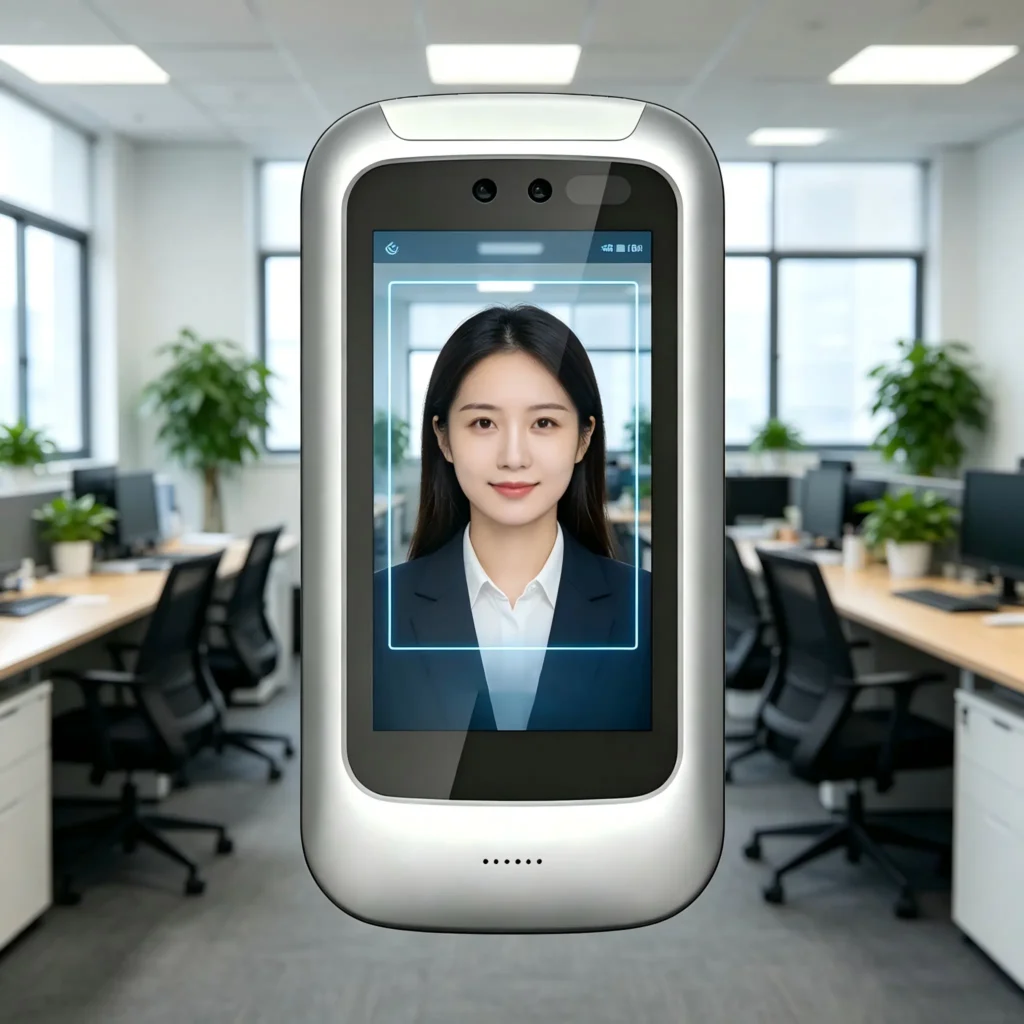
This is where the majority of manufacturing plants and smart campuses operate. These systems, like the ones developed by New Auto Element, integrate dual-lens IR cameras for liveness detection. The cost reflects the inclusion of high-performance NPU (Neural Processing Unit) chips that allow for edge computing, ensuring the gate opens in under 0.3 seconds even without an internet connection.
Enterprise-Level Integrated Solutions ($2,500+ per unit/point)
For high-security zones such as chemical plants or government data centers, the cost increases. This tier includes integration with PLC (Programmable Logic Controller) systems for specialized safety protocols like our digital LOTO (Lockout/Tagout) tagging. The price covers high-speed stainless steel gates, 77G millimeter-wave radars, and fully customized software platforms.
Why Does the Price Vary? The “Algorithm” Factor
If you look at two identical-looking devices and ask what is the average cost of a face recognition access control system, the $500 difference is often hidden in the code.
20 Years of Algorithm Refinement
Since 2004, New Auto Element has focused on the “hard problems” of computer vision. A cheap algorithm might work in a perfectly lit office, but a professional industrial system must work in the glare of a morning sun or the shadows of a warehouse at night.
When you pay for a premium system, you are paying for an algorithm that doesn’t require your employees to stand still for five seconds. You are paying for a 99.9% accuracy rate that prevents unauthorized entry, which is the ultimate goal of security.
Edge Computing and Hardware Durability
The physical build quality also dictates the price. A terminal encased in SUS304 stainless steel with an IP65 rating will withstand the vibration and dust of a production floor for a decade. Cheaper plastic alternatives may fail within 18 months, effectively doubling your long-term average cost.
Edge computing can also influence ROI for large-scale systems:
👉 Benefits of Edge Computing in Biometric Terminals
The “Invisible” Costs of Integration
When calculating what is the average cost of a face recognition access control system, many buyers forget to include the software and integration fees.
- SDK and API Customization: To link your face recognition gate to your ERP or HR system, you need a robust SDK. Professional manufacturers provide these as part of the package or for a one-time fee, whereas budget brands may not offer them at all.
- Infrastructure and Wiring: Industrial-grade systems often use PoE (Power over Ethernet) to reduce cabling costs. However, integrating these with machine control systems (like our LOTO solution) requires professional installation, which can add 20-30% to the hardware cost.
- Data Privacy Compliance: In today’s regulatory environment, ensuring that biometric data is encrypted and stored according to ISO standards is mandatory. Premium systems have this security “baked in,” saving you from potential legal fines.
Calculating the ROI of Your Security System
Instead of just asking what is the average cost of a face recognition access control system, savvy buyers ask: “How much will this save me?”
Case Study: The Factory Floor
Consider a factory with 500 employees. Using traditional swipe cards, “buddy punching” (one employee clocking in for another) can cost a company 2-5% of its annual payroll. By switching to a biometric system, this fraud is eliminated immediately. Furthermore, our smart factory management platforms integrate safety tagging, which prevents costly accidents and equipment downtime during maintenance. In many cases, the system pays for itself within the first 12 to 18 months.
Future-Proofing Your Investment
The security landscape is changing. With the rise of AI and big data, your access control system is now a data generator. Choosing a partner like New Auto Element, which has stayed at the forefront of the industry for 22 years (since 2004), ensures that your hardware won’t be obsolete in two years. Whether it’s our 2021 touchless identification system or our 2023 smart campus platforms, we ensure our hardware is compatible with future software updates.
For a deeper dive into the global standards of biometric hardware, we recommend consulting the Security Industry Association (SIA) for the latest compliance guidelines.
FAQ: Pricing & Implementation
Is a cloud-based or local-server system more expensive?
Cloud-based systems usually have a lower upfront cost but involve ongoing monthly subscription fees. Local-server systems have a higher initial average cost of a face recognition access control system but offer better data privacy and zero monthly costs, making them more economical for large-scale industrial use.
Can I use my existing gates with a new face recognition terminal?
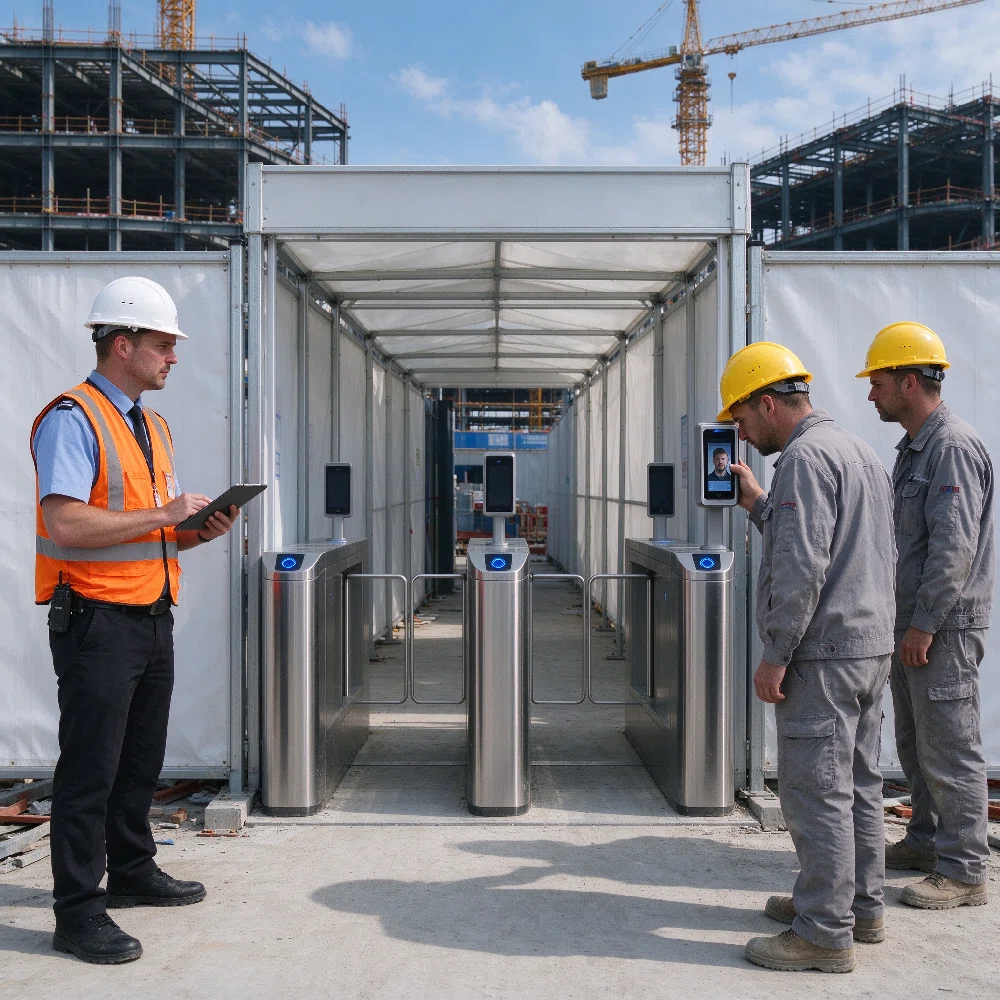
Yes, most professional terminals can be retrofitted onto existing turnstiles or glass flap barriers via a standard Wiegand or RS485 interface. This is a great way to lower the total project cost.
Does the cost include the database setup?
Standard systems include a management tool for bulk-importing photos. However, for large enterprises, a customized integration service may be required to sync the face database with your existing HR records.
How does the environment affect the price?
If you need a system for an outdoor gate in a coastal area, you will need “marine-grade” stainless steel and high-brightness screens. These features can increase the unit price by 15-20% compared to indoor office models.
So, what is the average cost of a face recognition access control system? While you can find devices for $200, a reliable, industrial-grade system for professional management typically averages between **$800 and $1,200 per access point**.
Investing in a system from a manufacturer with a 20-year history in vision algorithms, like New Auto Element, ensures that you aren’t just buying a lock—you are buying a long-term asset that protects your people, your data, and your bottom line.
Explore our 2026 AI Smart Terminal Catalog to find the right balance of cost and performance for your facility.