Introduction
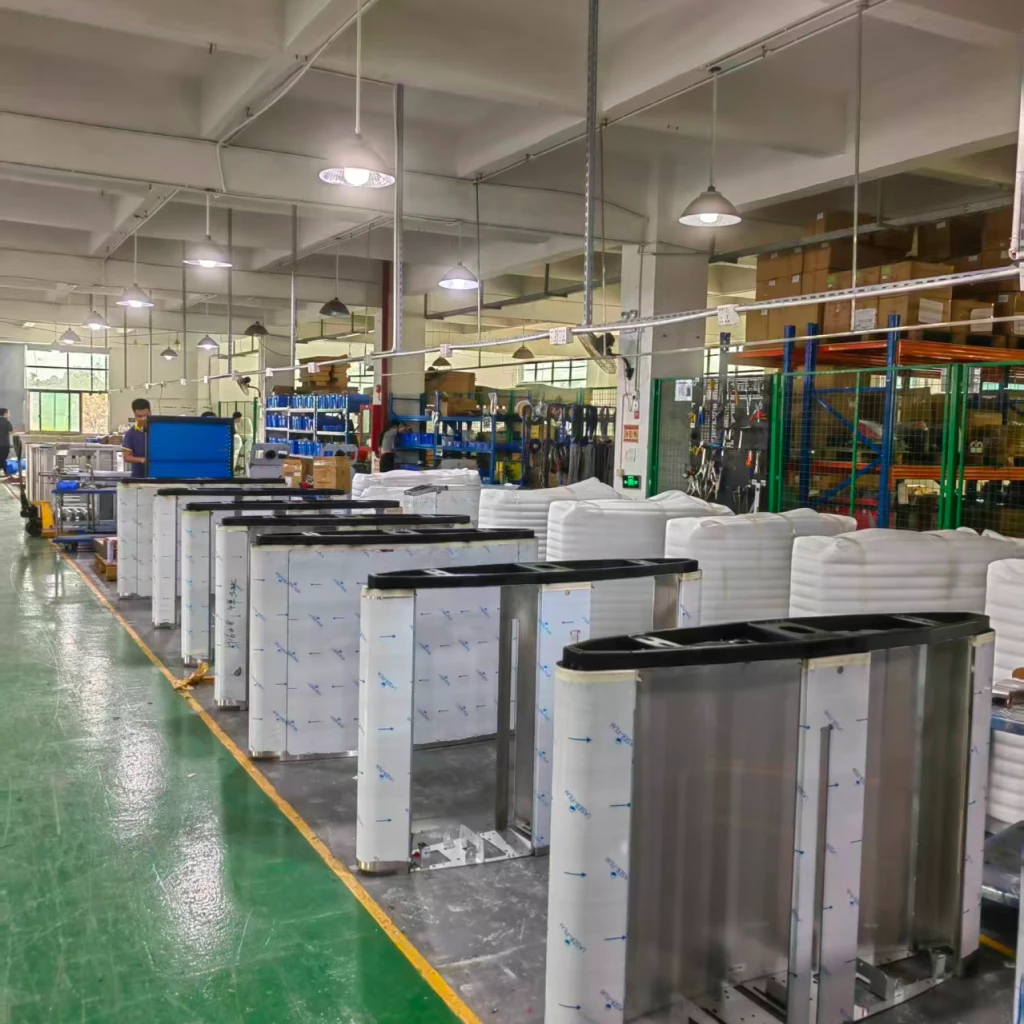
Facial recognition technology has rapidly evolved from a niche security feature into a critical component of modern access control, workforce management, and smart infrastructure. For B2B buyers, investing in a facial recognition machine is no longer just about features—it’s about understanding the manufacturing quality, hardware integration, and supplier capabilities behind the product.
Whether you are sourcing for enterprise security systems, smart buildings, or industrial time attendance, choosing the right manufacturing partner determines product reliability, scalability, and long-term ROI.
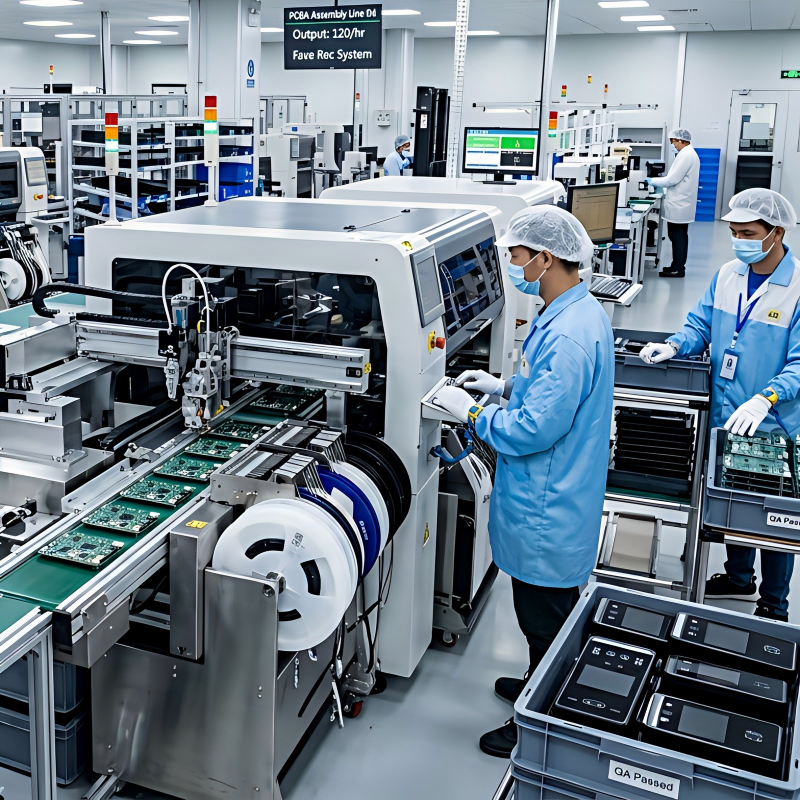
This guide goes beyond surface-level explanations. It dives into real manufacturing processes, hardware components, and supplier evaluation criteria that matter most to procurement professionals.
Understanding Facial Recognition Machines
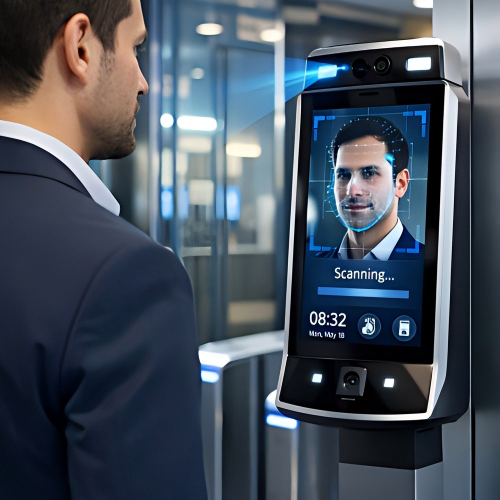
A facial recognition machine is a biometric device that identifies or verifies a person using facial features. These machines are widely used in:
- Access control systems
- Time and attendance tracking
- Border security and law enforcement
- Smart retail analytics
- Healthcare and education systems
Core Components of a Facial Recognition Machine
To evaluate manufacturers effectively, you must understand the key hardware elements:
1. Imaging System
- High-resolution RGB camera
- Infrared (IR) camera for low-light conditions
- 3D depth sensors (structured light or ToF)
2. Processing Unit
- Embedded processors (ARM-based SoCs)
- AI acceleration chips (NPU/GPU)
- Edge computing capabilities
3. Storage & Connectivity
- Local storage (eMMC/SSD)
- Cloud integration support
- Wi-Fi, Ethernet, and sometimes 4G/5G modules
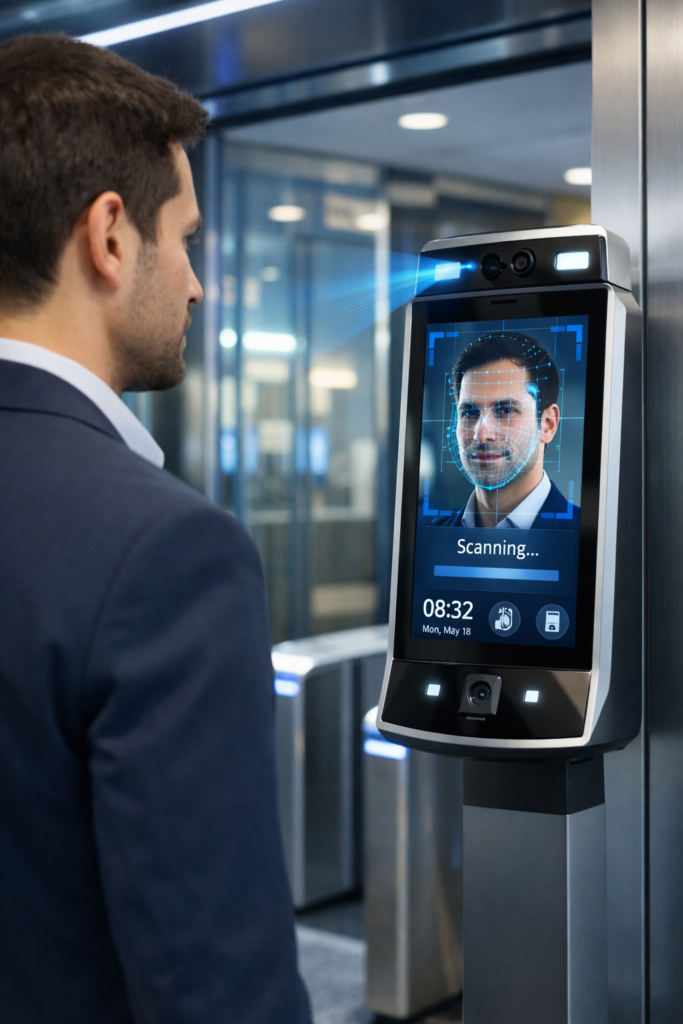
4. Display & Interface
- Touchscreen LCD panels
- LED indicators
- Audio prompts
For deeper technical standards and global biometrics trends, refer to:
https://www.nist.gov/programs-projects/face-recognition-vendor-test-frvt
OEM vs ODM Manufacturing: What’s Right for You?
OEM (Original Equipment Manufacturer)
- You provide design and specifications
- Manufacturer produces the product
ODM (Original Design Manufacturer)
- Manufacturer provides ready-made designs
- You customize branding and features
Recommendation:
- Choose OEM for unique solutions
- Choose ODM for faster time-to-market
How to Choose the Right Manufacturing Partner
1. Certifications
Ensure the supplier has:
- ISO 9001 (Quality Management)
- CE / FCC certifications
- NDAA compliance (for US markets)
2. R&D Capability
A strong R&D team indicates:
- Continuous innovation
- Customization flexibility
- Faster problem-solving
3. Production Capacity
Evaluate:
- Monthly output volume
- Lead times
- Scalability for large orders
4. After-Sales Support
Critical for long-term partnerships:
- Firmware updates
- Technical documentation
- Remote troubleshooting
Industry Applications and Trends
Smart Cities
Facial recognition machines are integrated into:
- Public surveillance
- Transportation hubs
- Law enforcement systems
Workforce Management
- Contactless attendance tracking
- Payroll integration
Healthcare
- Patient identification
- Secure access to medical records
Retail Analytics
- Customer behavior tracking
- Personalized marketing
FAQ Section
What is a facial recognition machine used for?
A facial recognition machine is used for identity verification in applications such as access control, time attendance, security surveillance, and customer analytics.
How accurate are facial recognition machines?
Modern devices achieve over 99% accuracy under optimal conditions, especially when equipped with AI-based algorithms and infrared sensors.
What is liveness detection in facial recognition machines?
Liveness detection ensures the system recognizes a real human face rather than a photo, video, or mask, improving security against spoofing attacks.
What should B2B buyers look for in a manufacturer?
Buyers should evaluate certifications, R&D capabilities, production capacity, component sourcing, and after-sales support.
Can facial recognition machines work offline?
Yes, many devices support offline recognition using locally stored databases, which is crucial for security-sensitive environments.
Conclusion
The global demand for facial recognition technology continues to rise, but not all devices are created equal. For B2B buyers, selecting the right facial recognition machine requires a deep understanding of manufacturing processes, hardware integration, and supplier capabilities.
By focusing on component quality, production standards, and long-term support, businesses can secure reliable, scalable, and future-ready solutions.
Partnering with an experienced OEM or ODM manufacturer is not just a procurement decision—it’s a strategic investment in your security infrastructure and operational efficiency.